BSU Bird Cam
News
Students get bird’s-eye view of Newton Park’s nesting Great Tits
Monday, 18 May, 2026Students on the Wildlife Conservation course have been diving into Newton Park’s wildlife, observing and monitoring the nesting habits of the UK’s largest tit, the Great Tit. Alongside a captivated audience, students have had front-row seats to a fascinating part of the natural world.
Great Tits are a familiar sight and sound around Newton Park and wooded habitats across the UK, recognised for their distinctive song, reminiscent of a high-pitched bicycle pump, or a 'teacher teacher' call. Hoping to bring his students closer to local wildlife, Dr Ralph Thompson reflected on his own experience of the native bird:
"Great tits were an important part of my own student days. Studying in Oxford, I went out to Wytham Woods to keep track of the population there. At Cambridge, I watched hours of videos of adult great tits feeding their chicks to study their decision making."
He continued:
“These experiences left a lasting impression both in the development of my research skills and connection with wildlife. With the help of Birdfy, I’ve brought this to our students, studying the tits and accessing the footage from anywhere through the livestream.”
BSU is home to three nest boxes and two bird feeders, decked out with cameras, supplied by Birdfy, and maintained with the support of the University’s Grounds team. Positioned around campus, the cameras capture footage and images of the birdlife. In collaboration with Birdfy, the Telemetric Initiative to Study Avian Feeding and Reproduction (TITS AFAR) seeks to expand this work by creating a network of feeding stations and nest box cameras for use in teaching and research.
Working on the project as part of the School of Sciences 'research certificate' scheme and with the help of Senior Lecturer in Zoology, Dr Ralph Thompson, students have installed the Birdfy bird boxes across BSU’s Newton Park campus, tracking the movements of this elusive bird, recording activity in real time, and streaming the footage onto their YouTube channel.
A rare window into their private lives, the team, alongside the wider BSU community, have observed the incredible breeding cycle of the Great Tit, from nest-building through to laying, incubation, and the hatching and feeding of the nestlings - allowing for fascinating research into their behaviour.
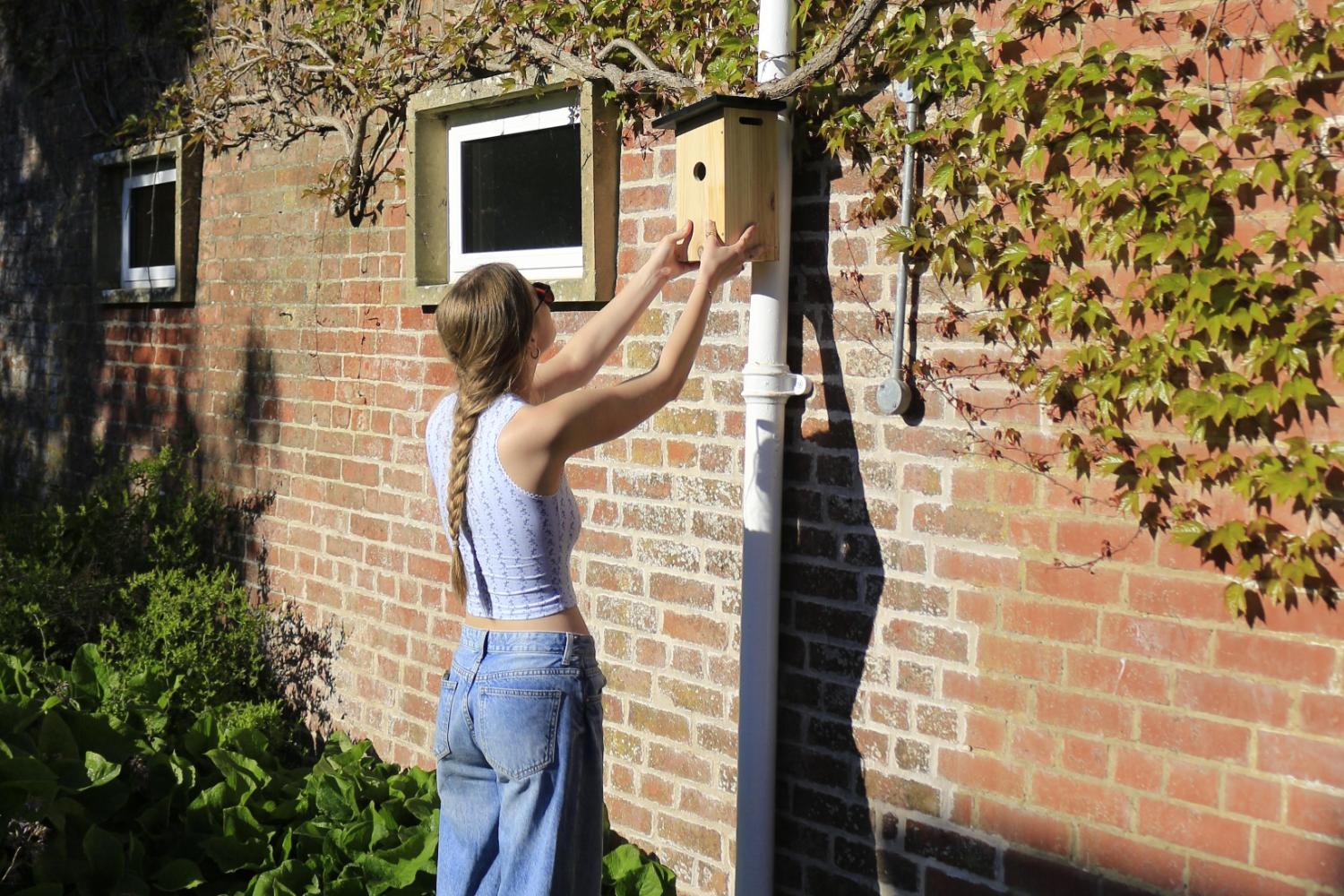
Wildlife Conservation student, Sophia Wilkes, reflected on this opportunity:
“The opportunity to participate in the TITS AFAR research project has been invaluable. The nest cameras allowed us to observe and study the birds in a really accessible way, without causing any disturbance to the nests. Since we have unlimited access through the live stream, we’ve been able to monitor any behaviour we might otherwise miss, and I’ve been absolutely fascinated throughout the entire process.”
Wildlife Conservation student, Hannah Stein said:
"I’ve really enjoyed taking part in the project, observing the different bird species’ behaviours and interactions has been so interesting. It’s helpful to practice and further understand what we’ve been taught in class."
Now the chicks are here, the project has entered a new phase, with students working collaboratively with Dr Ralph Thompson to develop methods for observing the chicks’ growth, and how the parent birds feed and protect them during this critical period.
BSU’s Wildlife Conservation degree gives students the opportunity to learn about the lives of wild animals while studying the rapidly developing field of conservation biology, including threats to biodiversity and opportunities for habitat management and creation.
Find out more about Wildlife Conservation on the dedicated webpage and follow bathspawild on YouTube to keep up to date with the chicks’ latest adventures through the livestream.