Acquire specialised subject knowledge while developing the practical skills needed to tackle contemporary challenges, issues and debates.

  • Explore theoretical and applied approaches to criminology and politics.
  • Learn how to effectively challenge assumptions and interrogate evidence.
  • Examine crime, justice and punishment at local, national and transnational levels of society.

This combined Criminology and Politics degree encourages you to look beyond the boundaries between different disciplines. You'll challenge assumptions, question how decisions are made, and investigate the causes, motivations and consequences of crime.

Why study Criminology and Politics?

Politics influences every aspect of our lives, from major challenges like poverty, climate change and wealth inequality, to the nature of state education and the role of technology in our consumption of news.

Criminology explores the causes, motivations and patterns of crime. You'll study crime from a variety of approaches, gain practical experience, and develop transferable skills that you can take into a range of sectors. You'll explore different responses to crime and learn how criminology informs policies and practices in policing, law, criminal justice and punishment.

You'll also develop key transferable skills such as how to plan a project, measure and evaluate outcomes, and communicate effectively with different audiences for different purposes.


Open Days

Get a taste of life at BSU – come to an Open Day.

Book your place


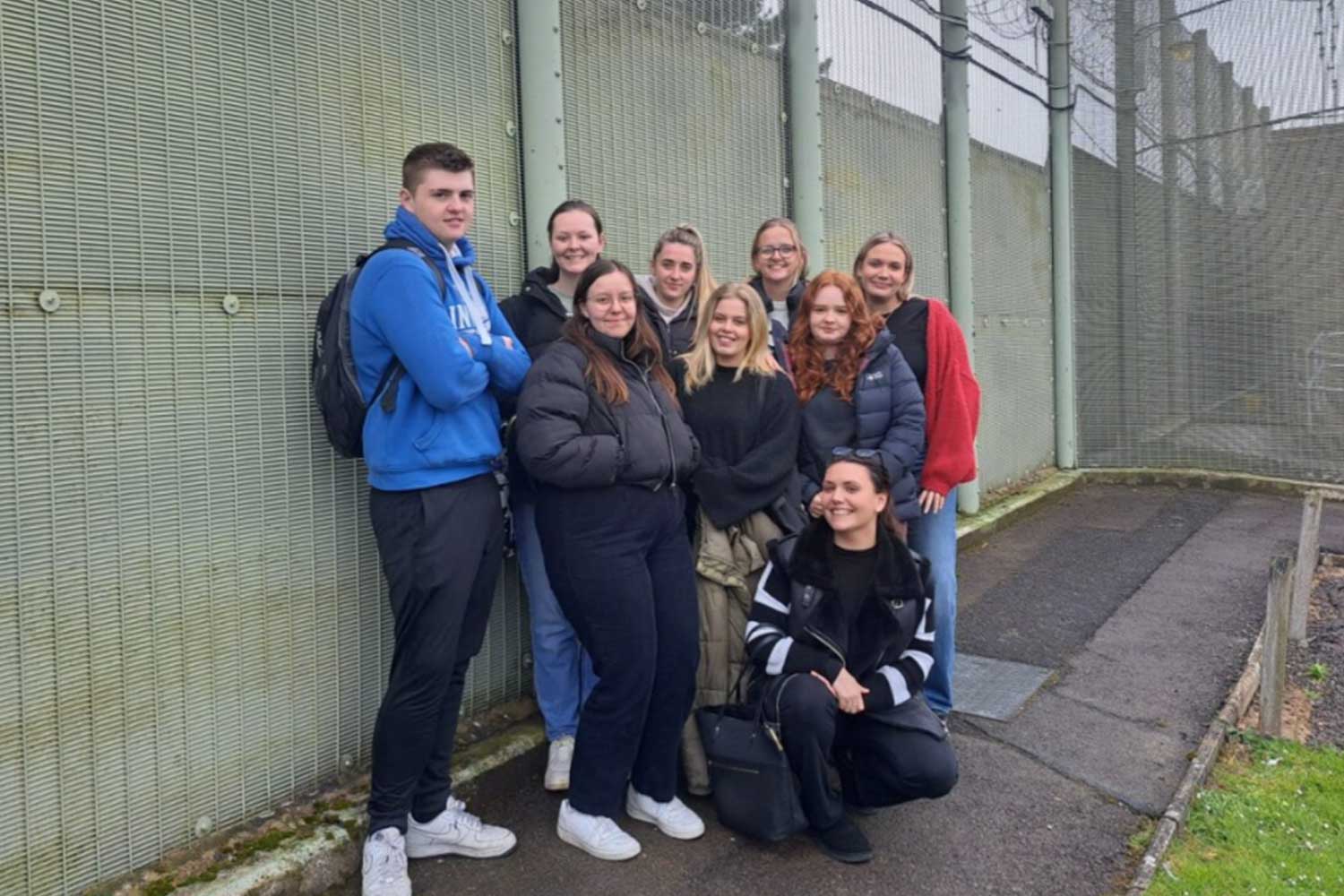
A group of nine Criminology students stand outside the boundary of HMP Erlestoke prison

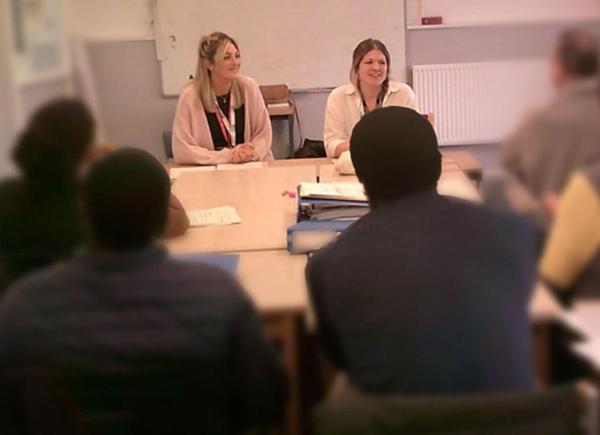
Third-year BSc (Hons) Criminology students visiting HMP Erlestoke as part of a unique module where students learn criminology alongside prison learners.

What you'll learn

In your Politics modules, you’ll investigate political ideologies, government structures, public policy and contemporary global debates. The course encourages you to critically engage with current political challenges, from questions of justice and human rights to security, governance and digital regulation. Alongside subject knowledge, you’ll develop practical skills in policy analysis, research, negotiation and public communication. 

In your Criminology modules, you'll focus on the main theories, debates, issues and research in criminology and criminal justice. Optional modules will enable you to develop particular interests in areas such as violent crime, victimisation, prisons and terrorism. 

We’ll support and encourage you to gain practical experience in relevant fields through voluntary work and placements. You’ll develop practical and analytical skills as well as subject knowledge in crime and criminal justice.

Year one
You'll 
follow a broad curriculum which allows you to ask questions, challenge your own assumptions, interrogate evidence, data and opinions. You’ll be introduced to key concepts, theories and issues, and learn about research traditions. You’ll investigate different types of crime and criminal justice agencies and institutions.

Year two
The second year builds on the first, combining academic study with the acquisition of practical, professional skills. You'll begin applying your knowledge and understanding to specific problems, debates and ideas, and you can choose from several optional modules to create a programme tailored to your personal interests. You'll explore the history and development of policing, crime control and prevention, as well as differing perspectives and theories within criminology and politics.

Year three
As part of your third year, you'll focus on one final project that consolidates everything you've learned so far. This might be an extended piece of academic writing, but it could also be a pitch to a local employer, a funding application for a community project, or the creation of digital resources for an external partner.

Alongside your final project, you'll choose additional modules that may explore topics such as identity, inequality, terrorism, world politics, punishment and victimisation. You’ll have the chance to take an optional module that involves working with prison learners through a partnership with HMP Erlestoke, or undertake a voluntary placement in an organisation relevant to the criminal justice sector. You’ll also have the chance to write for publication in an international affairs NGO magazine.


At BSU, our courses are designed to equip our graduates with the knowledge and skills they’ll need for the real world. To do this, we are continually improving our courses by responding to feedback from students and other stakeholders. This may mean changes may be made to the curriculum. You’ll always be given notice of any such changes.

For more information on how we approach such changes at the university, please read our policies on

You’ll undertake a wide range of authentic assessments, which means your work will be relevant and applied to real-world issues and contexts. We use a wide variety of assessment methods, including:

  • Essays
  • Presentations
  • Group projects
  • Individual projects
  • Practical tasks
  • Portfolios
  • Surveys
  • Crime scene investigation reports
  • Reflective writing
  • Briefing papers.

You’ll also learn to communicate key messages visually, as well as in words.

You’ll participate in a wide variety of activities including lectures, seminars, workshops, practical sessions, field trips, one-to-one tutorials, and sessions with visiting speakers. We’ll guide you through your studies, support you, and help you make the most of your academic and professional opportunities.

To find out more about how we teach and how you'll learn, please read our information on Your Learning and Teaching at BSU.

Opportunities

We’ll strongly encourage you to take advantage of placement opportunities in your second and third years, so that you can apply your learning to the real world contexts of criminal justice. Practitioners contribute to teaching in some modules and you can find out more from them about working in fields related to criminal justice.

Fieldwork opportunities, where possible, will also provide opportunities to observe the legal system in action and learn more about potential careers. We also have links with local criminal justice organisations including local police services and prisons.

By the time you graduate, you'll understand how the world works and how to find your place within it. You'll have developed a wide range of practical, analytical and transferable skills needed to thrive in a variety of fields.

You might choose to pursue a career in criminal justice and its associated social and welfare professions, such as:

  • Policing
  • Crime prevention and security
  • Crime reduction initiatives
  • Law (following further study)
  • Offender management and interventions
  • Prisons
  • Probation
  • Youth justice
  • Social work
  • Community development.

You may also work in education, the third sector, financial services or health or social care.

As part of your degree, you could study abroad on a placement at one of BSU’s partner universities.

If you’re a full-time undergraduate student starting your first year at Bath Spa University, you can apply for the Certificate in Global Citizenship, which you’ll study alongside your degree.

You’ll gain global awareness and add an international dimension to your student experience, and funding is available. On successful completion of the programme, you’ll be awarded a Certificate in Global Citizenship. This is in addition to your degree; it doesn’t change your degree title or results.

Adobe Creative Campus

Develop a wealth of indispensable digital skills that you can take into your future career. One of only three Adobe Creative Campuses in the UK, we provide all Bath Spa students with access to the full Adobe Creative Suite, giving you the tools to communicate creatively, whatever your course or chosen professional field.   

Professional placement year

The Professional Placement Year (PPY) provides you with the opportunity to identify, apply for, and secure professional experience, normally comprising one to three placements over a minimum of nine months. Successful completion of this module will demonstrate your ability to secure and sustain graduate-level employment.

By completing the module, you'll be entitled to the addition of 'with Professional Placement Year' to your degree title.

Before your PPY, you'll work to identify roles of interest and secure a placement. The Placements Team will support through timetabled sessions and 1:1 appointments.

As well as completing a minimum of 900 placement hours, you will complete two assessments demonstrating your skill development, growth in professional behaviours and how the PPY has impacted your future career aspirations.

Facilities and resources

You'll be taught at our Newton Park campus, with access to a wide range of excellent facilities including:

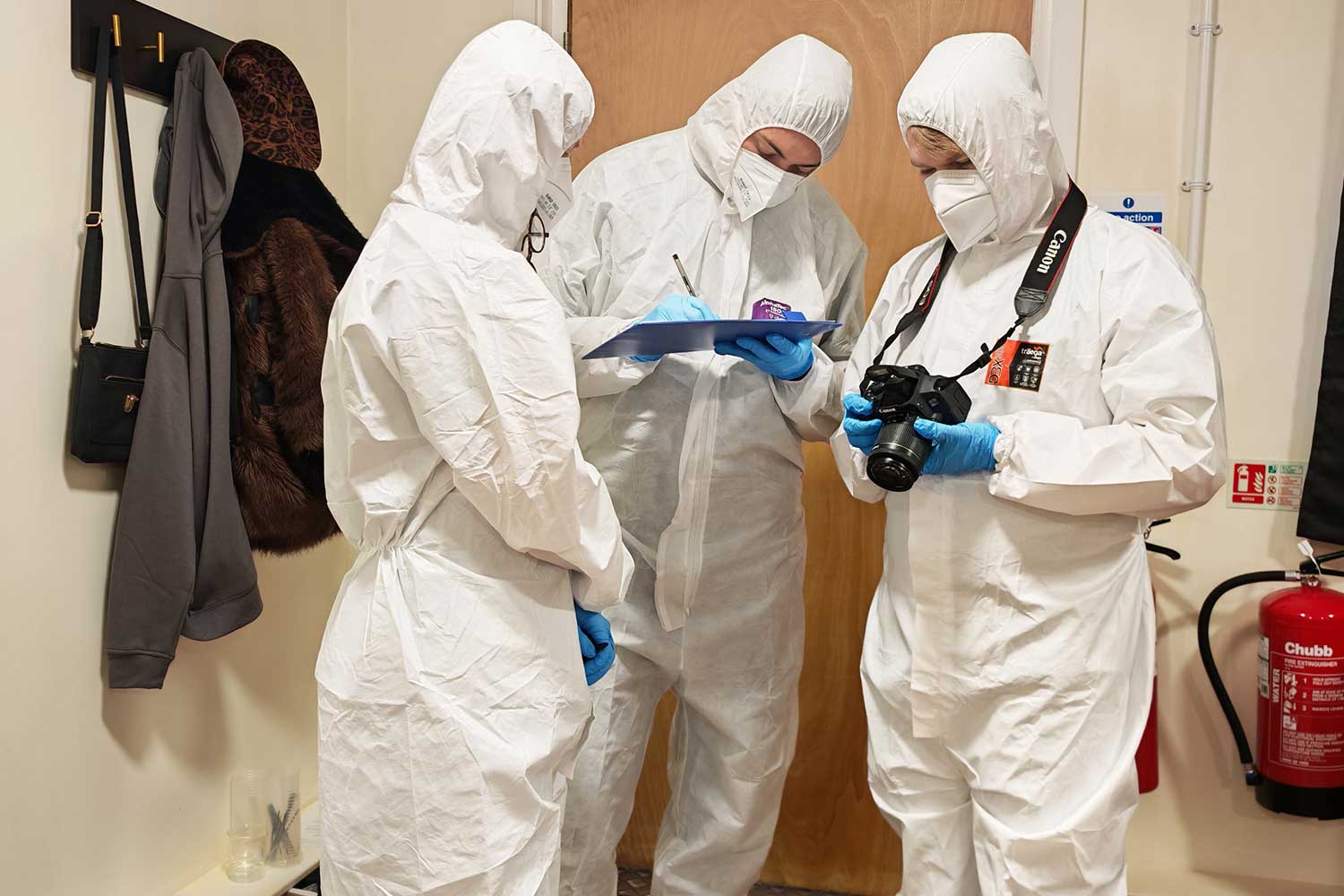
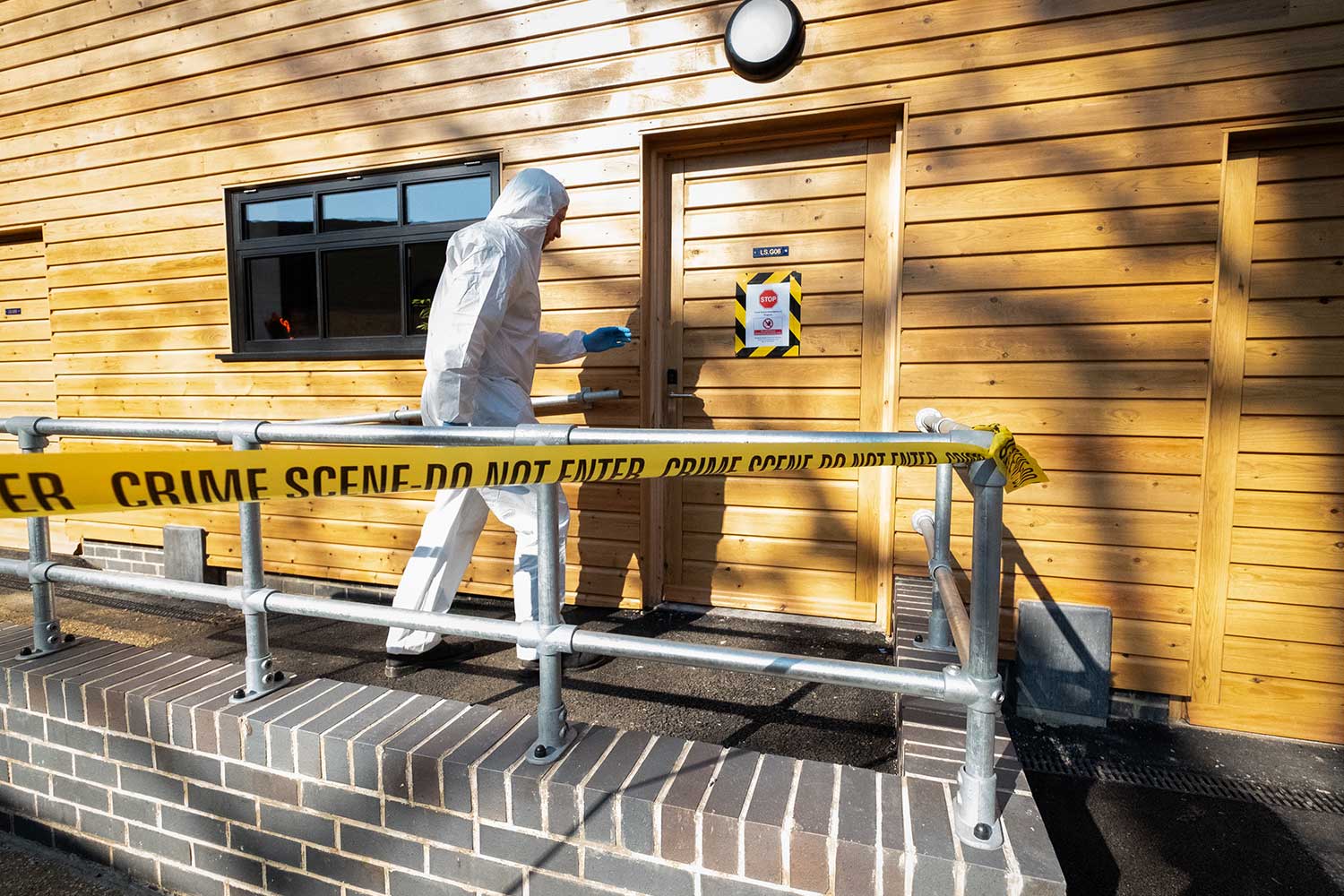
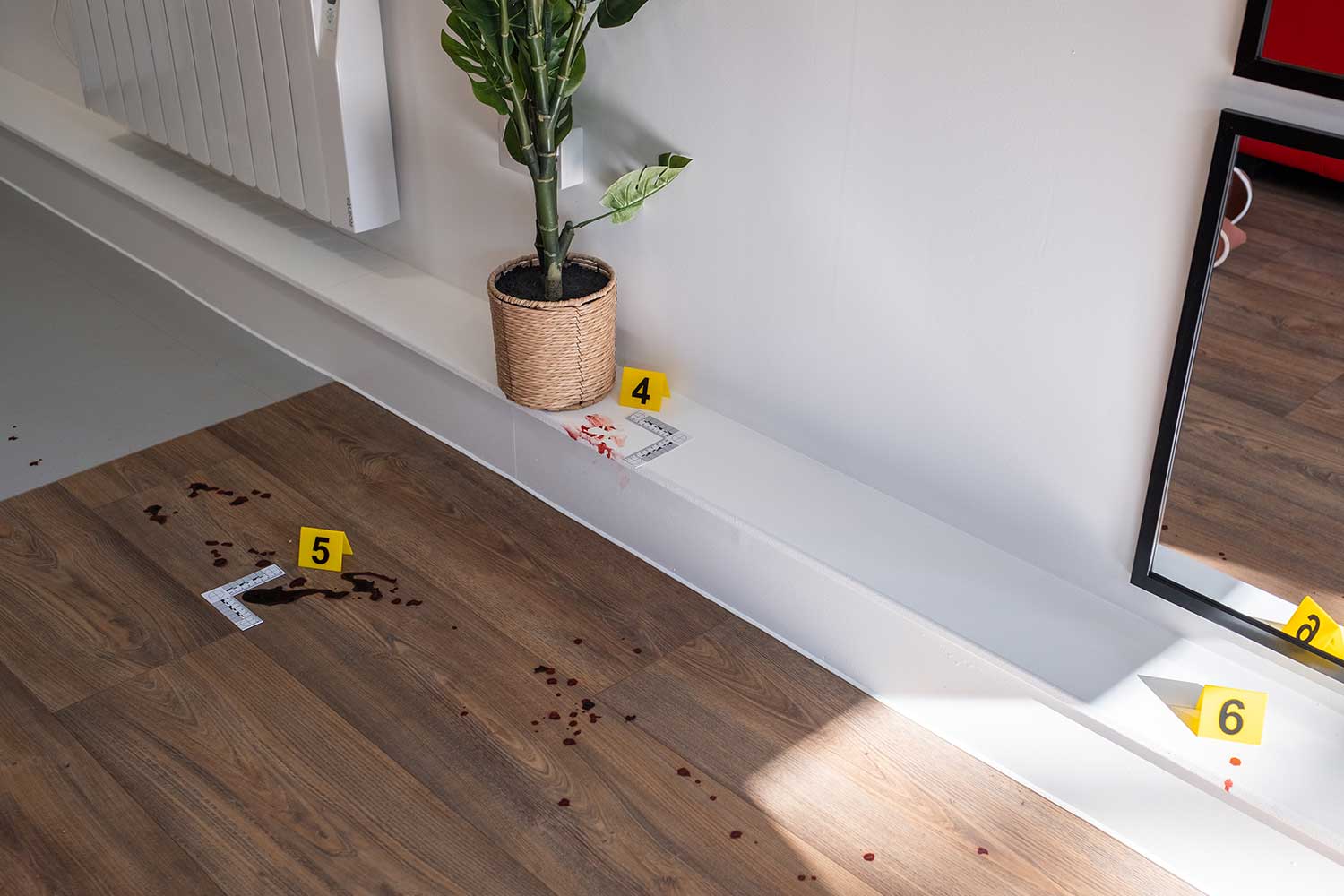
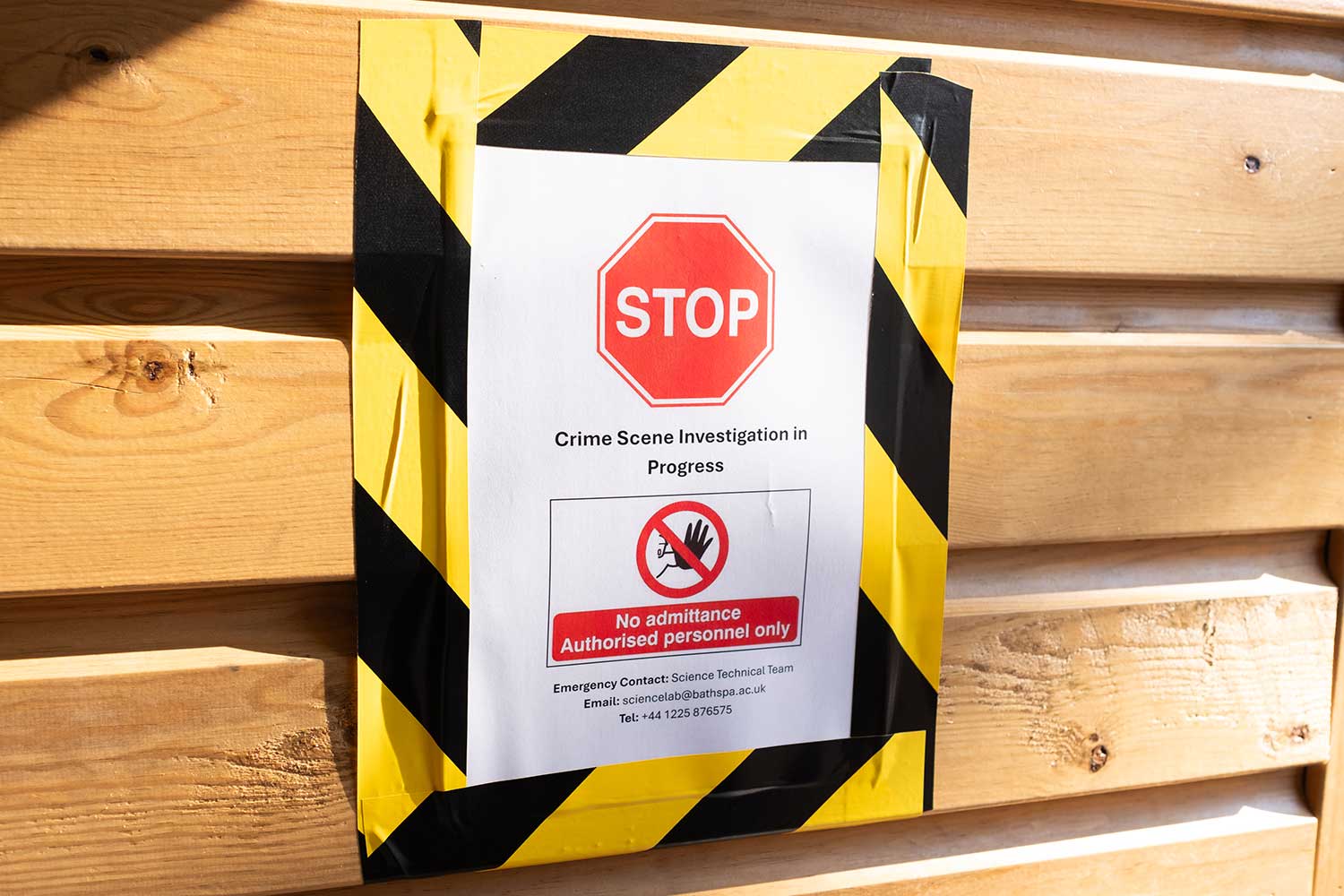
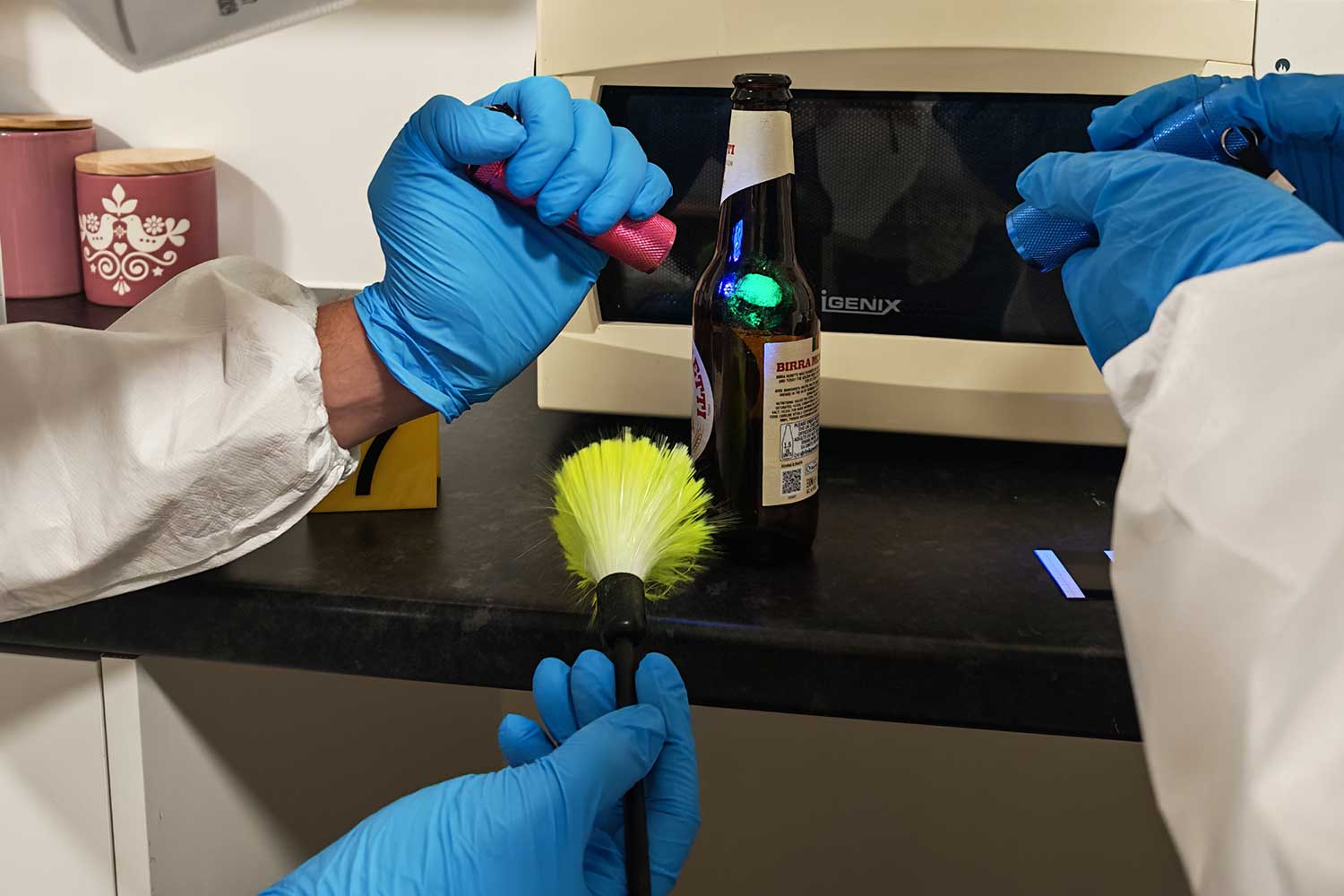
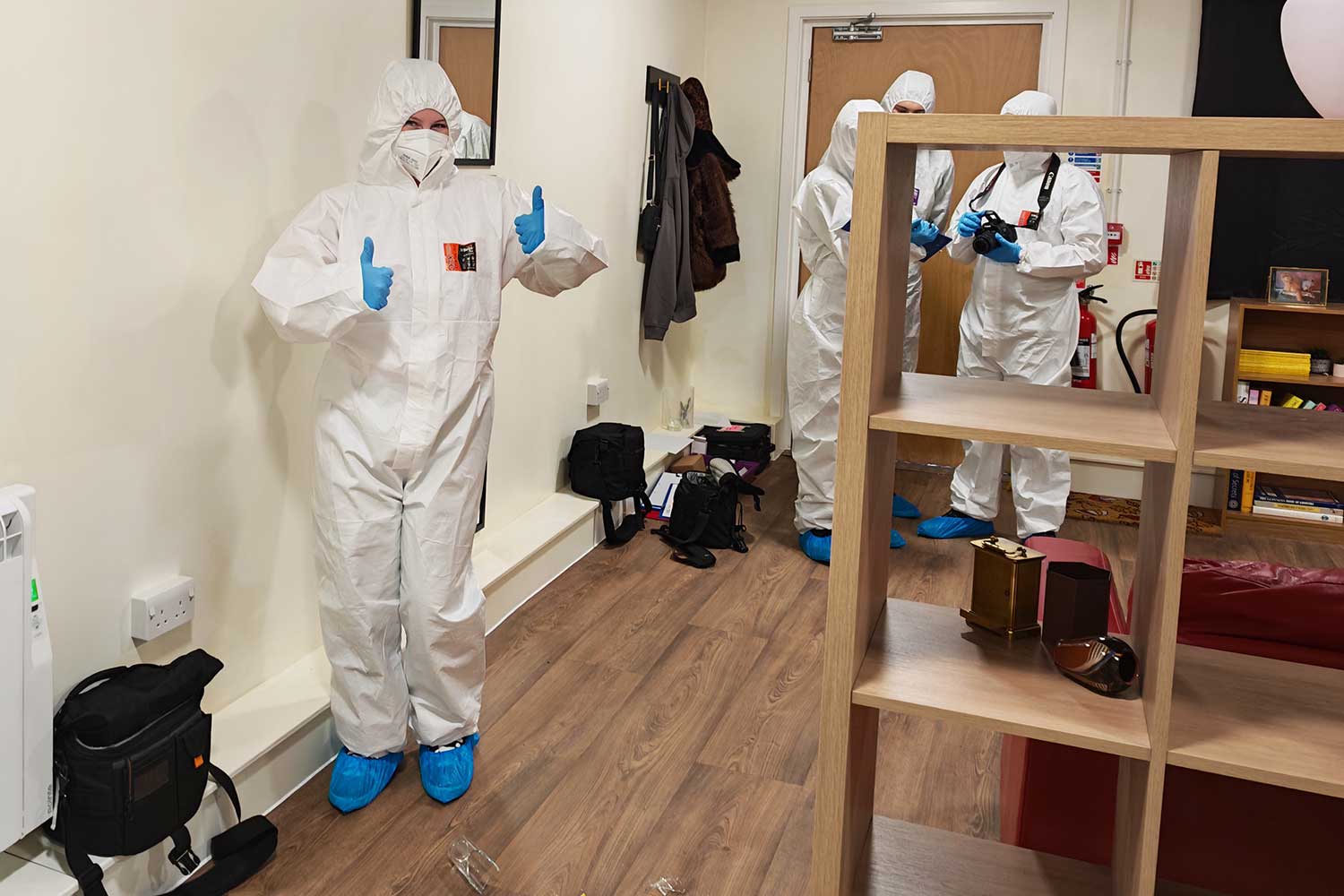
Depending on your module choices, you may have access to the Crime Scene Lab – a purpose-built space designed to replicate a real-life crime scene. It features a full-scale mock-up of an open-plan kitchen and living room.

It's equipped to mimic the scene of a real-life crime, providing a controlled environment to practise critical evidence identification, documentation and recovery techniques.

All modules can be found on our Virtual Learning Environment, Ultra, providing unlimited online access to learning materials such as handbooks, lecture slides, assessment information, discussion boards and other resources.

Our Library gives you access to books, academic journals and DVDs and an extensive range of electronic services. It also provides a place for individual study and collaborative work.

You can also take advantage of the learning support provided across the wider University, such as:

  • The Academic Skills service to develop your writing skills or learn how to use new techniques and technologies.
  • The Careers team run networking events and advisory workshops that explore your future options and the essentials of the job application process. They help you get experience by assisting with your search for work placements and paid part-time jobs while you're studying. When you're ready to progress into your chosen career, they can help you secure graduate-level employment, freelance opportunities, and funding for your own business ideas. Career support continues for years after you graduate with the dedicated Grad Support Unit.
  • Our Student Wellbeing Services are also available to support you through your learning.

Fees

Student Annual tuition fee
UK full time £9,790
UK part time £4,895
International full time £17,310

Professional Placement Year

During the placement year, the fee is reduced to 20% of the full time fee. This applies to UK and EU/International students.

  • UK: £1,955
  • International: £3,462

International fee information

Our fees for international students are organised into bands. For more information, please consult the tables on the international student fees webpage.

Additional course costs

You may need to pay additional course costs over and above your tuition fees, for example, for specialist equipment or trips and visits. Please check the course Programme Document (linked under the main image on this page) for details of any additional costs. You can also read our Additional Course Costs Policy for further information.

Funding opportunities

Please visit our Funding pages for an overview of the funding options that may be available, including scholarships and bursaries.

Interested in applying?

We're looking for imaginative, critical and independent individuals who want to understand the world in order to change it. You'll be interested in all aspects of crime, justice and punishment, and keen to challenge the status quo.

You'll be thoughtful, connected and socially engaged. You'll question your sources and challenge conventional or ‘common sense’ notions. 

We accept a wide range of qualifications for entry to our undergraduate programmes. The main ones are listed below:

  • A Level – grades BBB-BCC. No specific subject required.
  • BTEC – Extended Diploma grades from Distinction Distinction Merit (DDM) to Distinction Merit Merit (DMM). No specific subject required.
  • T Levels – grade Merit. No specific subject required.
  • International Baccalaureate – a minimum of 32 points. No specific subject required.
  • Access to HE courses –  Access to HE Diploma or Access to HE Certificate (60 credits, 45 of which must be Level 3, at Merit or higher). No specific subject required.

If you don’t meet the entry requirements above, we may be able to accept your prior learning or experience from outside of formal education. See our Accreditation of Prior Learning (APL) page to learn more.

English Language Requirements for International and EU Applicants

IELTS 6.0 – for visa nationals, with a minimum score of IELTS 5.5 in each element.

Course enquiries

For further information about the programme or entry requirements, please email us at admissions@bathspa.ac.uk.

Ready to apply? Click the 'apply now' button in the centre of this page.

Need more guidance? Head to our how to apply pages.

Course leader for Criminology:

Course leader for Politics:

Three year course

With placement year