Creative Policy
How can creative practice research inform local policy and create change?
How can creative practice research inform local policy and create change?
Bath Spa University (BSU) is exploring how creative practice research might inform and impact local policy and affect change in the area.
Five Bath Spa University researchers have been appointed to a new initiative exploring how creativity can contribute to policymaking. Through the Creative Policy Fellowship, they are working within organisations focused on planning, health, climate emergency, and justice - using creative approaches to open up new ways of thinking about complex challenges.
The Fellowship is funded by Bath Spa’s Arts and Humanities Research Council Impact Acceleration Account. It places creative practice researchers into policy settings where decisions shape communities. Working alongside policy teams, the Fellows will use methods such as storytelling, design thinking, and collaborative workshops to support dialogue and innovation.
The Fellowship runs until Spring 2026, with insights shared through events and publications.
To understand the impact of this work, we are collaborating with Dr Nicky Sim, an external evaluator, who is helping us capture the difference the project is making - both for the Fellows and for the organisations they work with.
The Power of Creative Thinking in Public Life
Creative practice brings a different way of approaching challenges. It encourages new perspectives, sparks dialogue and helps uncover possibilities that traditional methods might overlook.
The Creative Policy Fellows are working with organisations to experiment with new ways of working, combining the policy-making expertise of their partner organisations with their creative research skills to build imaginative thinking into decision-making processes.
More information: Creative Policy Forum (2024)
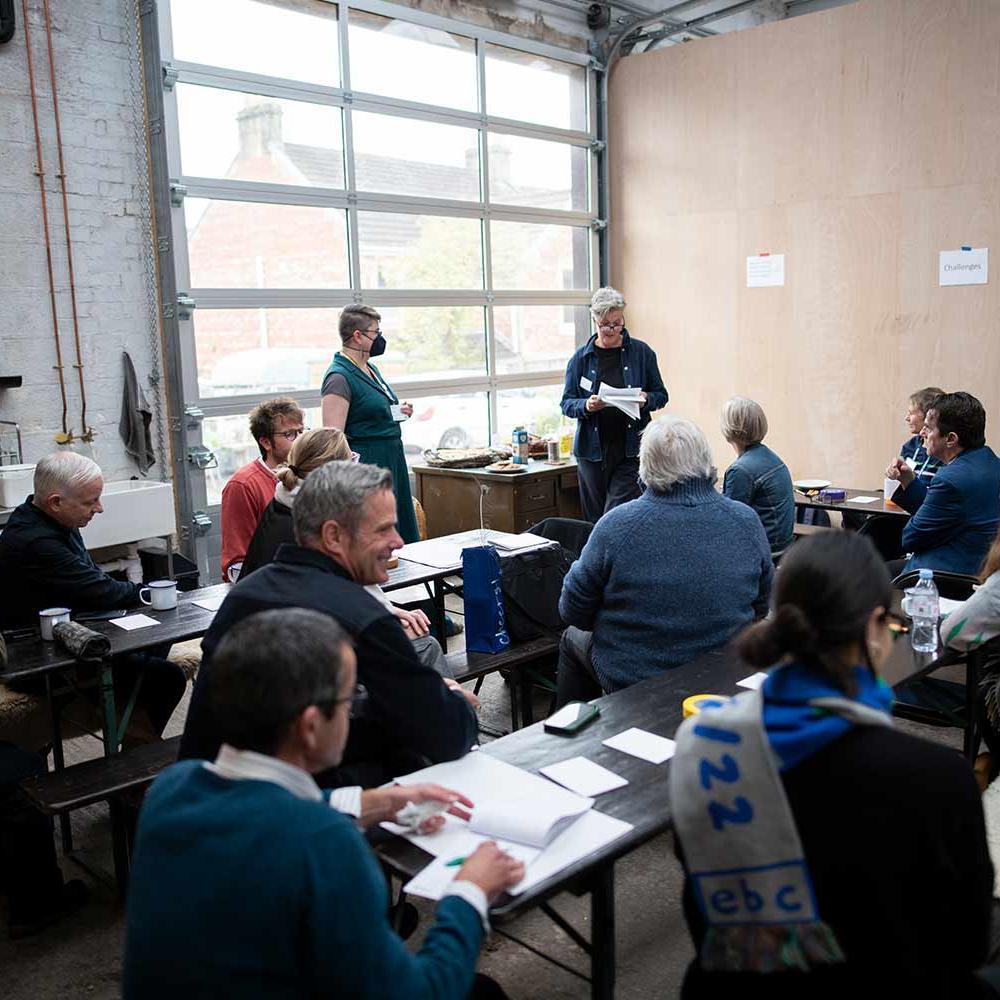
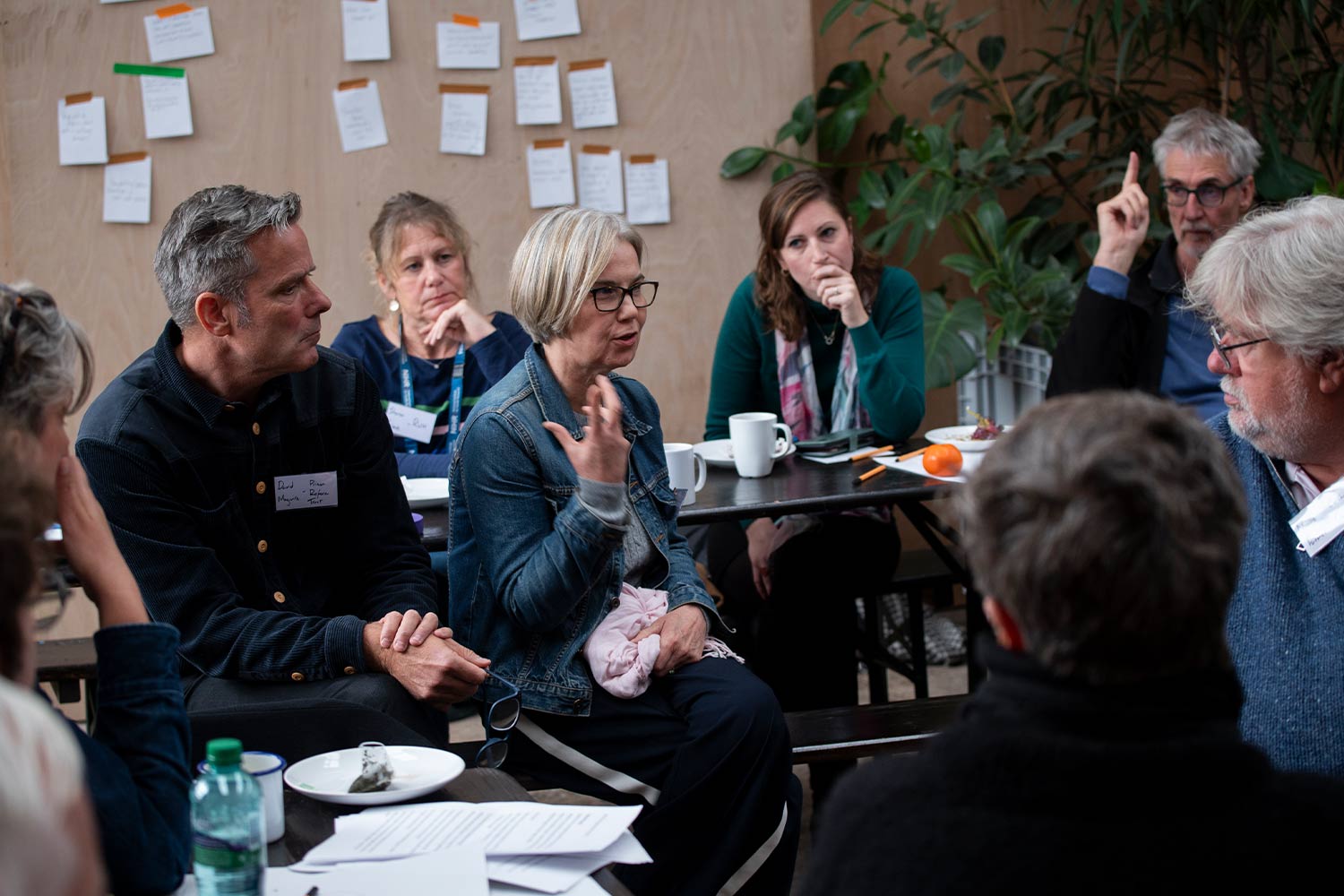
The Creative Policy Project has grown out of a Policy Forum event that was hosted at the artist-run space FORM-ica in Bath in October 2024, supported by an AHRC Impact Accelerator Account and the Centre for Creative and Cultural Industries.
The afternoon brought together creative practice researchers and key local stakeholders working at a policy level across a range of sectors to explore the different ways that creative practice can inform, engage with, question and be integrated into local policy processes.
Each attendee was asked to bring an object of their choice that could provoke a discussion and open up a question in relation to their work. Dr Nicky Sim, a Research Fellow at UWE Bristol and an independent evaluator, reported on the event in a set of field notes that can be found here, illustrated with images from the event taken by BSU alumni Jakub Knapp.
Meet the fellows
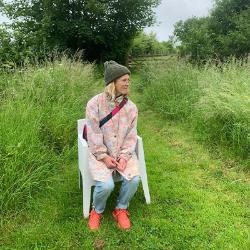
Dr Charlie Tweed, Subject Leader for Art
Working with the West of England Mayoral Combined Authority (WECA) Planning Team
Charlie's work asks big questions about the future. His research uses imaginative and speculative approaches to explore issues like climate change and environmental policy. Through this fellowship, he’s helping WEMCA think creatively about how to involve the public in shaping a new Spatial Development Strategy - using storytelling, fictional scenarios, and collaborative workshops to spark fresh ideas and conversations.
Jenny Dunseath, Reader in Fine Art
Working with Bath and North East Somerset Council Policy Development and Scrutiny Panels
Jenny is an artist researcher and educator whose practice explores how everyday actions, digital tools, and sensory experiences can transform the way we learn, work, and connect. Through her fellowship with BANES, she’s looking at how policy development and scrutiny panels could become more open and inclusive. At the heart of her work is a powerful question: how can public participation feel like a genuine conversation rather than a formality?
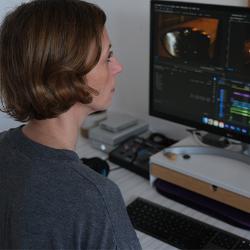
Prof Keith Harrison, Research Professor and Fine Art Tutor
Working with Back on Track (Criminal Justice System)
Keith is known for large-scale, collaborative public projects that explore social change through material transformation. His work often engages communities connected to post-industrial sites, using live events and installations to reflect on labour, heritage, and collective identity. Through this fellowship, he’s interested in creative approaches to justice reform and community resilience, bringing voices of people who have experienced prison into the project.
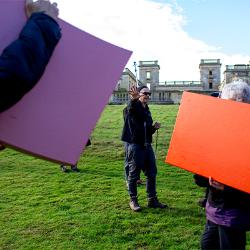
Suzi MacGregor, Teaching Fellow in Singing
Working with Royal United Hospitals (RUH) Bath
Suzi’s creative practice centres on voice, song, and storytelling as tools for connection - helping people relate to themselves, each other, and the world around them.
Her collaborative, improvisational approach creates spaces of trust and shared meaning, which can be transformative in healthcare settings. Through her fellowship, Suzi is exploring how patient voices can play a real role in decision-making at the RUH, and how creative methods can empower staff to embrace creativity in their everyday work - even in the pressures of a stretched environment.
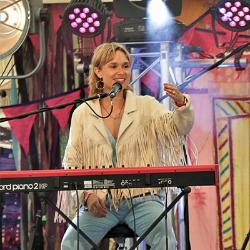
Claire Loder, Programme Leader for MA Fine Art
Working with Bath and North East Somerset Council Sustainable Communities Team
Claire's work brings together art, horticulture, and community engagement to explore how we live, grow, and care for the places we call home. Her practice is deeply collaborative, shaped by projects like Blooming Whiteway, which connects people through gardening and storytelling.
Through this fellowship, Claire is contributing creative approaches to the development of a Climate Strategy for the area - helping BANES respond to its declared climate emergency.