Criminal and Investigative Psychology
BSc (Hons)
Undergraduate degree - single honours
- UCAS codes: Institution B20, Course HH30 or HH31 (with professional placement year)
Learn about all aspects of Psychology with a focus on contemporary issues in understanding and investigating criminal behaviour.
- Accredited by the British Psychological Society, this course enables graduates who meet the requirements to register with the BPS.
- Develop professional skills to help you in the next stage of your career.
- Gain practical experience by using statistical and data analysis software, interviewing rooms and our Crime Scene Lab.
Criminal Psychology is the area of psychological research and practice concerned with offenders and victims of crime, the processes of law and the courts, and the psychology of criminal investigations. It is rooted in the criminal system of England and Wales.
Understanding the psychological, social, philosophical and criminological causes and implications of crime are at the heart of this discipline.
Criminal and investigative psychology questions what type of person is most likely to commit a crime, and how crime and anti-social disorders could be reduced. The discipline is also involved in exploring the relationship between crime and psychopathology, whether a person with mental health problems should be held responsible for a crime, as well as preventing such people committing crimes.
You will have an opportunity to explore the more academic discipline of criminal psychology, including eyewitness testimony, the investigative process of criminal cases and crime scenes, forensic mental health, as well as exploring the ethical dilemmas of the field.

Accreditation
This course has been accredited by the British Psychological Society (BPS). This provides Graduate Basis for Registration with the BPS to gain Chartered Psychologist status, provided you achieve a 2.2 overall and pass the final year dissertation.
What does this mean?
- This accreditation ensures graduates meet specific learning outcomes, including subject knowledge, technical skills, and transferable abilities.
- Gaining Graduate Basis for Registration is the first step towards entry into accredited postgraduate and doctoral programmes and is essential to becoming a Chartered Psychologist.
"I graduated from BSU last summer and I am currently doing an MSc in Health Psychology. I am also a support worker for young people at risk of homelessness. The best experience BSU offered me was working in collaboration with Somerset Police to conduct research for them for my dissertation."
Karolina Ligenza, BSc (Hons) Forensic Psychology graduate

Social media
Follow @BSUPsychology on Instagram to read our latest news and see what our Psychology students and staff are up to.
What you'll learn
You will learn about all aspects of human thoughts, feelings, and behaviour, with a special focus on investigating individual motivations and consequences of crime.
The course provides you with a variety of key transferable skills including communication, both verbal and written, computing, numeracy, teamwork, independent learning and critical thinking.
You'll learn how to design, run, analyse and report an investigative study, which is how Psychologists generate new knowledge which can be applied to the real world. You'll also learn critical thinking skills and how to use specialist software.
A degree in Psychology is highly valued by employers due to the literacy and numeracy skills, along with communication skills, that Psychology graduates demonstrate. This course offers work placement opportunities that enable you to develop further practical experience that employers value.
Year one
In your first year, you will be introduced to key themes, theories, and research in Psychology.
Learn about the core concepts in the discipline including how we think and process information, what influences our social behaviour, and how Psychologists conduct research to generate knowledge which impacts on the real world.
You'll also take a specialist module in Forensic and Criminal Psychology, where you will learn about the key theoretical approaches and debates in this area.
Year two
In year two, you'll deepen your understanding of core psychology concepts, and learn the skills necessary to undertake your own psychological research.
Learn about how psychology can be applied to criminal investigations to understand topics such as eyewitness memory, false confessions, and police stress.
You also have the option to undertake a work placement in your second year to enhance your employment opportunities, along with an optional module so you can explore areas of your own interest.
Year three
Finally, year three will see you continue to learn about core aspects of psychology in depth and with a more advanced and critical focus.
Learn about contemporary topics and issues in criminal and forensic psychology, and forensic mental health.
You also conduct your own independent research study, culminating in a dissertation, supervised by a member of staff.
Assessment methods vary depending on your exact module choices and can include essays, debates, case study and professional reports, group presentations, and workbooks.
Some assignments involve collaborating with local organisations, such as Avon and Somerset Police, on live briefs, allowing you to develop solutions to real-world issues.
This variety of assessment methods and move away from traditional exams builds transferable, work-ready skills, integrating employability throughout the degree.
Modules are carefully designed to inspire and challenge you, encouraging you to think critically about Psychology. Most modules involve a mixture of lectures and follow-up seminars, workshops, and tutorials. In the case of research methods, much of the teaching is conducted via practical classes.
You'll be taught by the core lecturing team but will have opportunities to learn from visiting speakers and guest lecturers who are experts in their fields. We also have dedicated Psychology Technicians who are available to support you and enhance your academic experience.
You’ll participate actively in seminars and tutorials. These are characterised by small-group work, whilst bookable tutorials enable you to have one-to-one discussions with staff.
Through our Virtual Learning Environment (VLE), you'll have access to a variety of resources, including lecture and seminar materials, datasets, and academic papers. The VLE also features forums for questions and discussions with fellow students and staff.
Independent and self-directed study is emphasised, with the expectation of weekly preparation and follow-up study for each module.
At the start of your studies, you'll be allocated an Academic Advisor who will support you throughout your time at BSU. This provides you an opportunity for regular meetings to discuss your personal goals and development, helping you to make the most of your studies.
To find out more about how we teach and how you'll learn, please read our information on Your Learning and Teaching at BSU.
Course modules
This course offers or includes the following modules. The modules you take will depend on your pathway or course combination (if applicable) as well as any optional or open modules chosen.
Please check the programme document for more information.
- Introduction to Psychology (BPS)
- Research Methods in Psychology 1 (BPS)
- Individual Differences - Personality and Intelligence (BPS)
- Introduction to Criminal and Forensic Psychology
- Crime and Disorder in Everyday Life
- Debates in Psychological and Critical Thinking
- Research Methods in Psychology 2 (BPS)
- Cognitive and Developmental Psychology (BPS)
- Biological and Social Psychology (BPS)
- The Psychology of Criminal Investigations
- Criminal Justice: Theory, Policy and Practice
- Psychology and Social Justice
- Clinical Psychology
- Work Placement
- Health: Mind, Body, Society
- Science and Journalism Publishing
- Professional Placement Year
- Dissertation (BPS)
- Contemporary Application of Psychological Science (BPS)
- Advanced Contemporary Topics in Forensic Psychology
- Forensic Mental Health
- Environmental Psychology and Climate Change
- Human Memory
- Psychology of Gender
- Cyberpsychology: Video Games and Social Media
- Psychology of Ageing
- Sexual Health Psychology
At BSU, our courses are designed to equip our graduates with the knowledge and skills they’ll need for the real world. To do this, we are continually improving our courses by responding to feedback from students and other stakeholders. This may mean changes may be made to the curriculum. You’ll always be given notice of any such changes.
For more information on how we approach such changes at the university, please read our policies on:
Not sure if this course is for you? Explore the Psychology department at BSU. Our range of Psychology courses cover every aspect of the subject including business, education and crime.




Opportunities
Our students have access to corporate-sponsored internship and placement opportunities. These offer experience in areas such as marketing, multimedia and product design, filming and editing, business management, HR, customer services, research and analysis, project management and events.
Our staff maintain strong industry connections, including partnerships with the Avon and Somerset Police. These relationships provide students with unique opportunities to collaborate with organisations, enabling them to conduct their dissertation research as part of a knowledge exchange initiative with the Police.
The collaborative partnership between BSU and Avon and Somerset Police has been ongoing since 2022, as part of a key driver in police forces across the UK to improve community engagement and move towards evidence-based policing initiatives.
In our partnership, undergraduate students conduct research with the public on their perceptions of their local police force, the aspects that influence their confidence and trust, and how community relations could be improved. These research questions are shaped on an annual basis by the priorities and knowledge gaps in Avon and Somerset Police: for example, in 2023–2024, a key area of interest was the opinions and perspectives of young people in the region, so the research undertaken by the undergraduate students focused on this element. Thus, the nature of the research undertaken is shaped by discussions between students, the teaching team and our contact within A&S police.
The findings each year are discussed in Evidence Based Policing and Innovation meetings to inform police practice, in terms of how the force can engage with local and hard to reach communities. Our students have the opportunity to contribute to understanding and addressing real world issues, along with enhancing their graduate employability by developing key problem solving and communication skills.
– Dr Kate Muir, Senior Lecturer and BSc (Hons) Forensic Psychology Programme Leader
Previous students have undertaken work experience and voluntary work with organisations such as:
- Academics Ltd
- Choice Care Group
- Dorset NHS Foundation Trust
- Educational Psychology Services
- Fairfield Farm College
- Gordon’s School
- HM Prison Parc
- Hwyel Dda University Health Board
- Kalahari New Hope School Namibia
- Lifeways
- L’Oréal Ltd
- New York University
- Priory Hospital Roehampton
- SHOUT Crisis Line
- Solent NHS Trust
- The British Neuroscience Association
- Think Pacific Mental Health
- Trauma Breakthrough
Students who take advantage of the Global Citizenship programme can use their scholarship to support an international placement.
The course equips graduates with a variety of skills and knowledge suitable for a wider variety of careers. Many graduates opt for further Masters level study in Psychology, including Clinical, Forensic or Health Psychology.
The course confers the Graduate Basis for Registration with the British Psychology Society, meaning it acts as the first step in the professional training route towards becoming a Chartered Psychologist.
The specialist knowledge and skills in Criminal Psychology means graduates are well placed to enter a career in the caring professions such as mental health support work, or in roles within the Criminal Justice System including the Probation or Prison Service.
Graduates could also enter graduate training schemes including the Police Detective Graduate Scheme.
The transferable skills conferred by a Psychology degree also means graduates can apply for a wide variety of other roles, such as in human resources, data analysis, teaching, social work, health work, youth work, and many more.
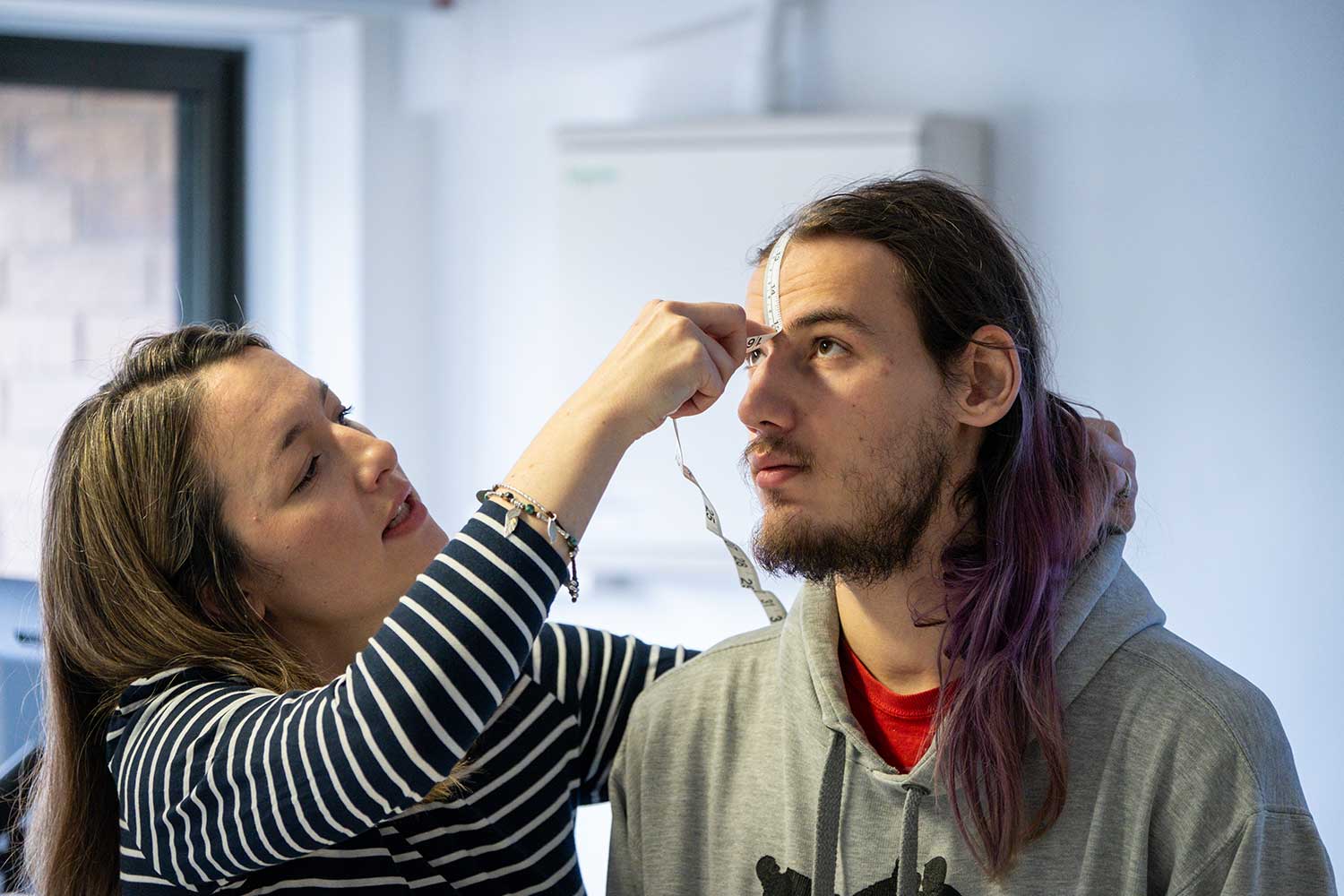
The Research Certificate Scheme aims to connect students with an interest in participating in the research process beyond their research methods/dissertation studies with researchers in the School of Sciences to offer students ‘research experience’ and give them a ‘flavour’ of the different activities that researchers perform.
The scheme runs each semester and generally involves between one and four hours of work per week, collaborating with academic staff on projects across a range of topic areas.
Past projects have included:
- Using EEG (electroencephalography) to investigate motor imagery
- Developing campaigns to reduce sexual violence
- Reconstructing climate in Interior Alaska: 15,000 years to present
- Blue prescribing: exploring the effects of water sports on mental health and well-being
- Learning communities: Educational solidarity during international fieldwork
There are multiple benefits to taking part in the scheme. It provides students with the opportunity to gain first-hand experience of research – from design and gaining ethical approval, to qualitative interviewing and conducting field/lab research.
Students work with expert scientists at the University to gain valuable employability and ‘real-life’ experience, facilitating the transition to work and further study. Students who complete the scheme also receive a letter and certificate of completion.
“I found the scheme enjoyable as the topic I chose had data about heart rate and skin conductance. It was interesting learning how to sort through research data and the effort that's needed. I also had fun helping the researcher try out the new EEG equipment for another study.
Learning how research is actually done (rather than just reading journals about studies) was definitely a benefit of research experience, as it shows another path of psychology that students can go down in the future.
Plus gaining skills with new software along with analysing data is a brilliant new skill to acquire and potentially helpful for thinking about dissertations.”
– Evan Robshaw, BSc (Hons) Educational Psychology student
To find out more about wider research within the School of Sciences, please visit the Centre for Research on Science and Society webpage.
Run by students, the Psychological Society offers a variety of academic and social activities throughout the year to enhance your journey in Psychology at BSU.
Previous opportunities have included talks and workshops from lecturing staff, drop-in study support sessions, and quiz and film nights.
For more information, visit the Psychological Society’s webpage or check out their Instagram page (@BSU_Psych_Soc) to see what they've been up to.
If you’re a full-time undergraduate student starting your first year at Bath Spa University, you can apply for the Certificate in Global Citizenship, which you’ll study alongside your degree.
You’ll gain global awareness and add an international dimension to your student experience, and funding is available. On successful completion of the programme, you’ll be awarded a Certificate in Global Citizenship. This is in addition to your degree; it doesn’t change your degree title or results.
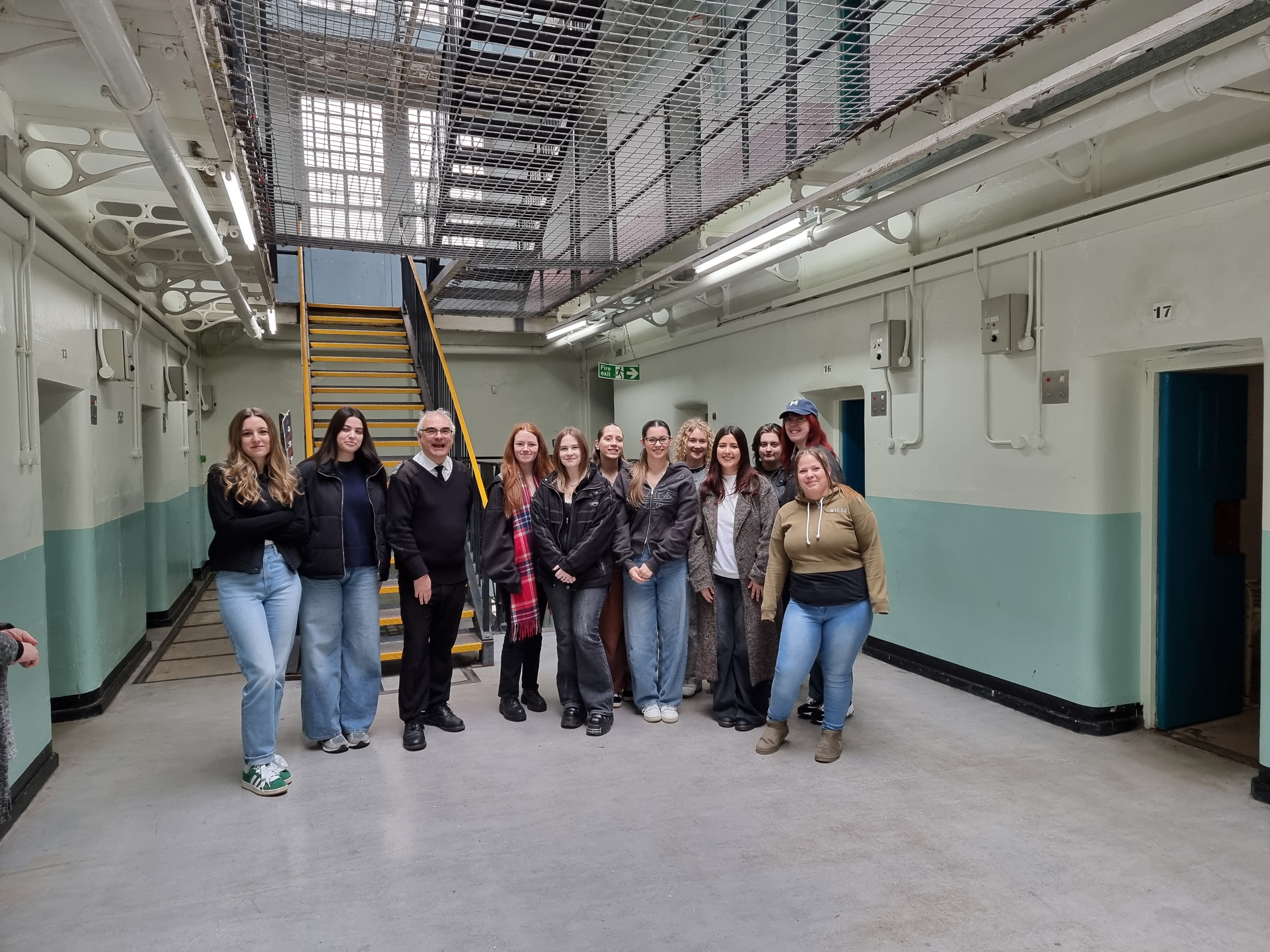
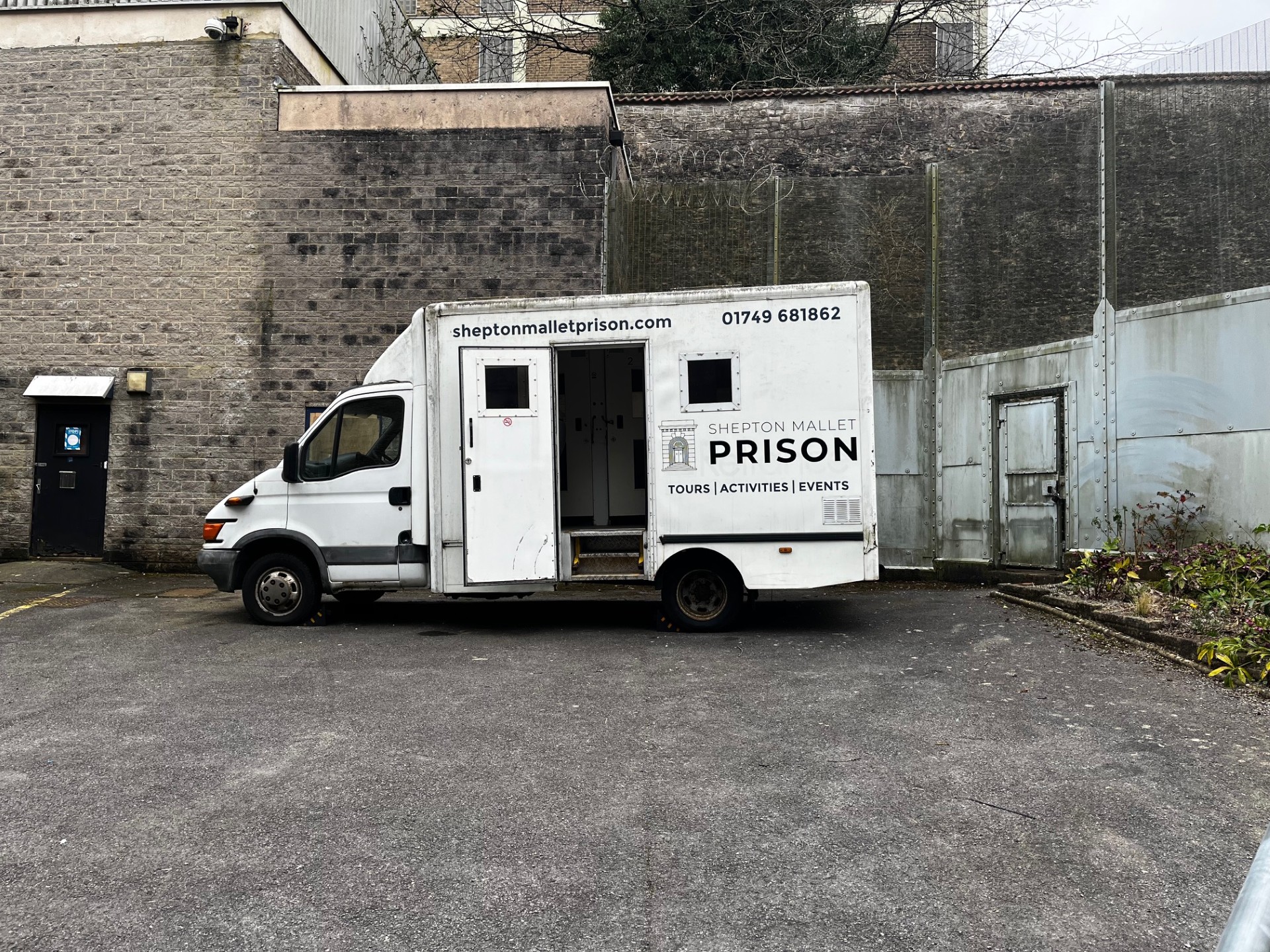
Previous students have taken part in field trips, such as to Shepton Mallet and Gloucester Prison. These events offer students the opportunity to deepen their understanding and solidify their learning, ultimately aiding their academic and professional development.
Facilities and resources
BSc Forensic Psychology is taught at our Newton Park campus.
You'll have access to a wide range of excellent facilities, including:
- Psychology labs
- Commons building
- Newton Park library
- Virtual Learning Environment
- Studios and digital facilities
- Subject-specific resources including databases and electronic journals
- English Language Unit (if English isn’t your first language)
Teaching resources includes access to psychology-specific journal articles through PsycINFO and PsycARTICLES, as well as EBSCO (online access to over 400 Psychology-related journals).
Various specialist software, such as SPSS (statistical computer software for analysing quantitative data) and NVivo for qualitative data analysis can be freely accessed by students, whilst Qualitrics and PsychoPy are available for use during dissertation research.
We also have a large battery of psychometric and neuropsychological tests for use.
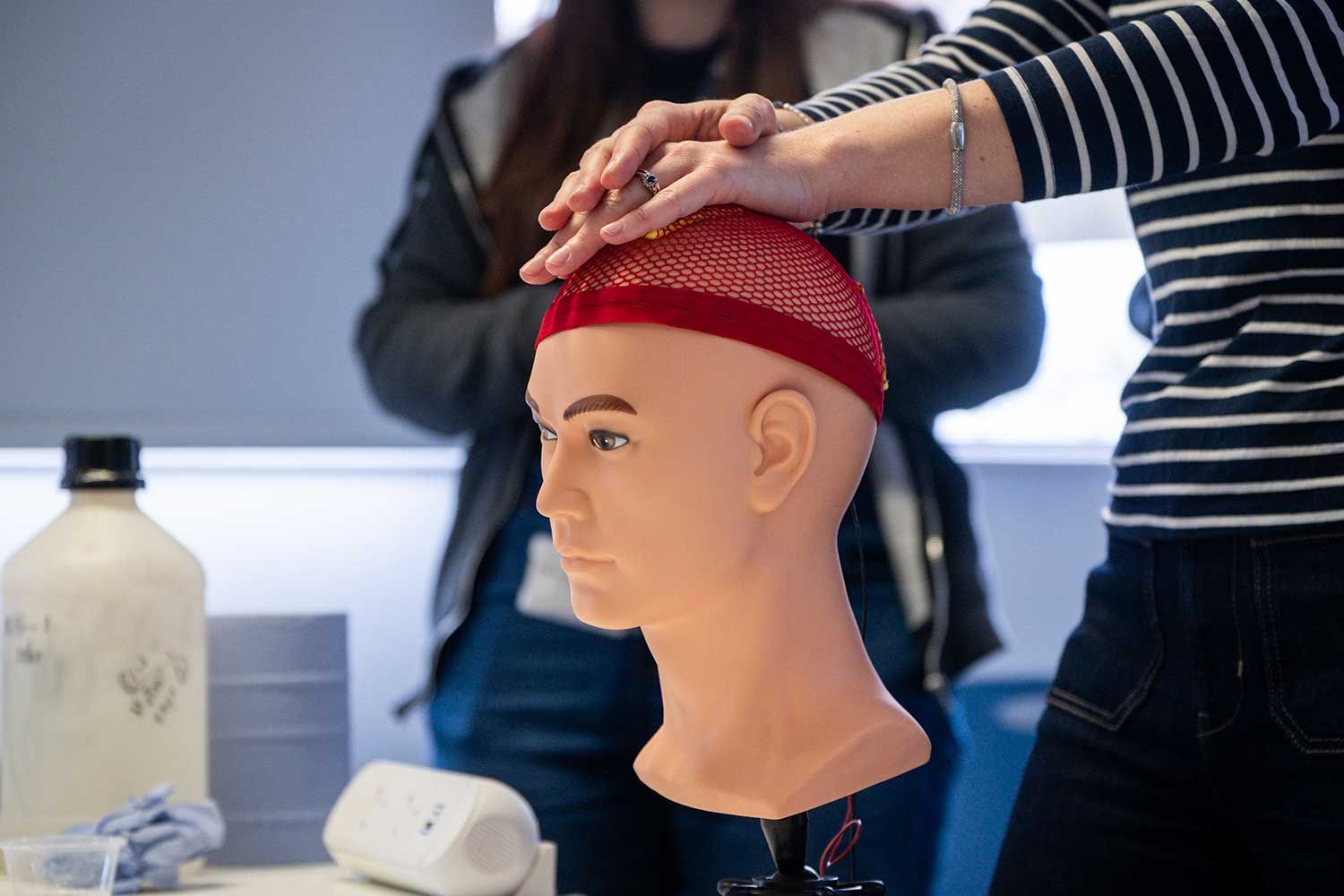
You will have access to our newly refurbished Psychology laboratory spaces, equipped with specialist equipment for dissertations, staff research, and relevant modules.
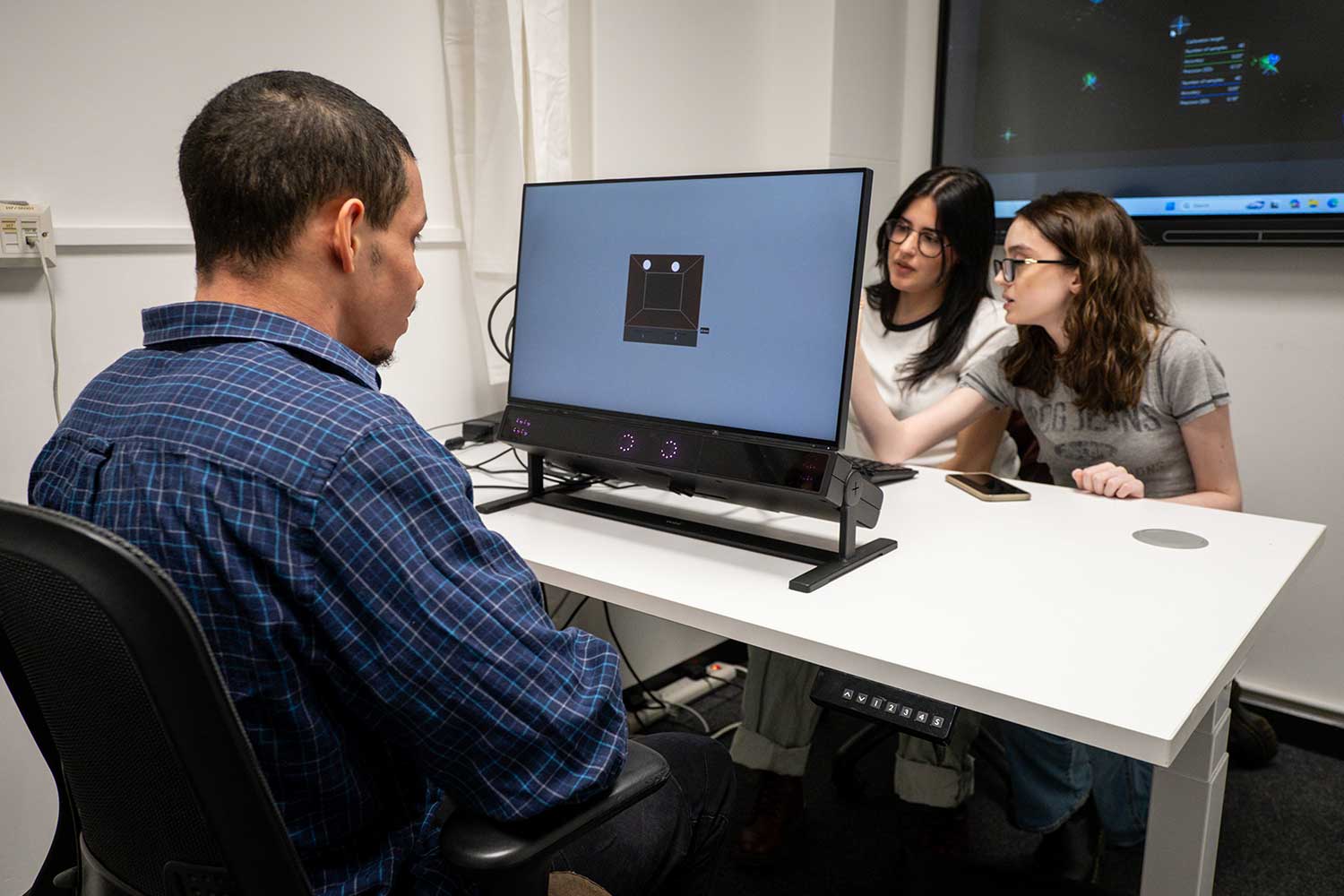
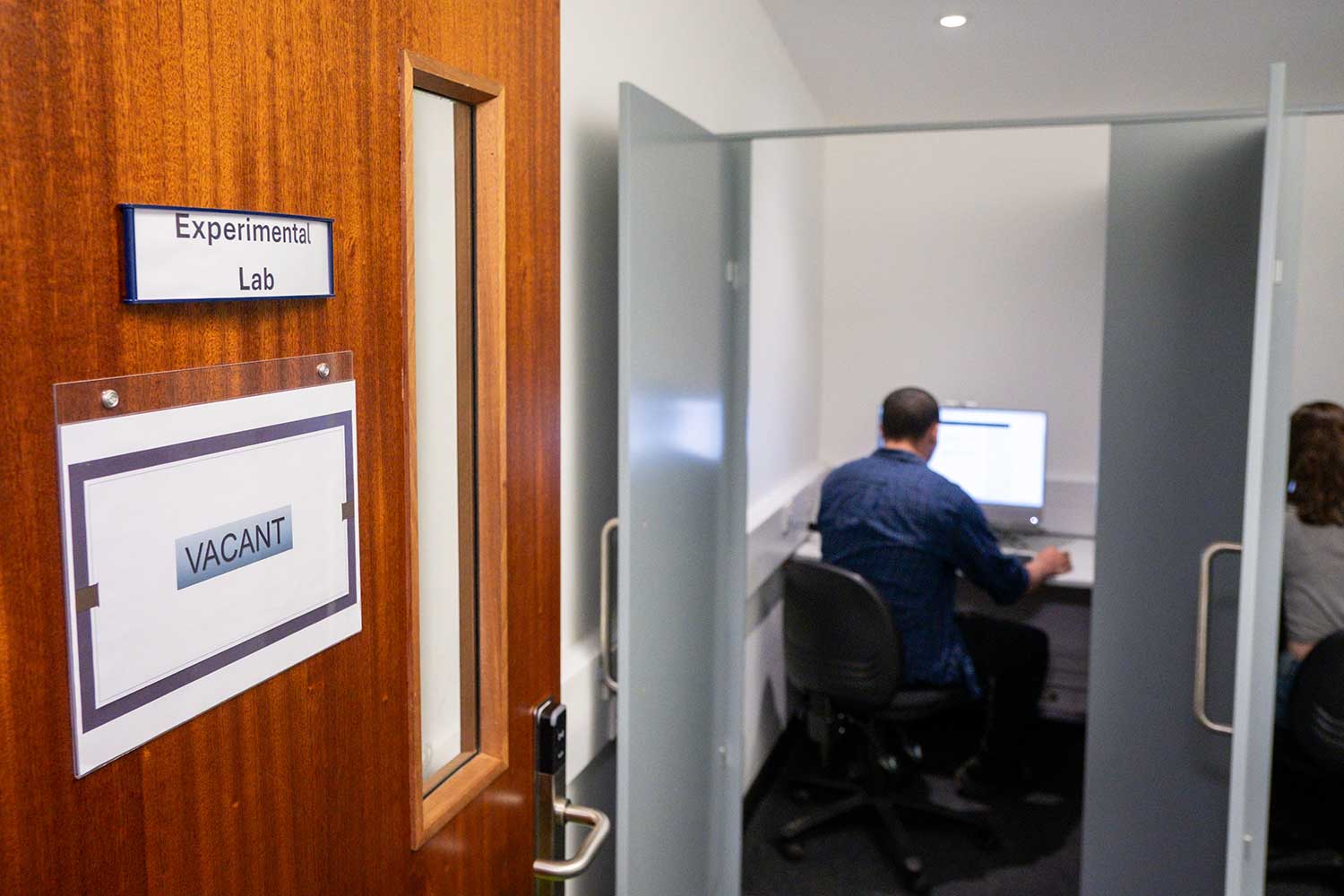
These facilities include an eye-tracking lab with a Tobii eye-tracker, a Neuropsychology lab with EEG and tDCS equipment, an interview and observational room with a one-way mirror, and an experimental lab with individual testing cubicles for simultaneous computer-based experiments.
Our dedicated Psychology Technicians are available to support you in using the equipment and lab spaces, and students can also hire various equipment using SISO, Bath Spa University’s free equipment loan service.
Designed to mimic the scene of a real-life crime, the Crime Scene Lab features a full-scale mock-up of a living room complete with furniture, decorations, and even realistic blood splatter.
This new addition will offer students an invaluable hands-on experience in evidence collection, blood pattern analysis, and DNA testing.
All modules can be found on our Virtual Learning Environment, Ultra, providing unlimited online access to learning materials such as handbooks, lecture slides, assessment information, discussion boards and other resources.
You can also take advantage of the learning support provided across the wider University, such as:
- The Academic Skills service to develop your writing skills or learn how to use new techniques and technologies.
- Our Library gives you access to books, academic journals and DVDs and an extensive range of electronic services. It also provides a place for individual study and collaborative work.
- The Careers team run networking events and advisory workshops that explore your future options and the essentials of the job application process. They help you get experience by assisting with your search for work placements and paid part-time jobs while you're studying. When you're ready to progress into your chosen career, they can help you secure graduate-level employment, freelance opportunities, and funding for your own business ideas. Career support continues for years after you graduate with the dedicated Grad Support Unit.
- Our Student Wellbeing Services are also available to support you through your learning.

Develop a wealth of indispensable digital skills that you can take into your future career. One of only three Adobe Creative Campuses in the UK, we provide all Bath Spa students with access to the full Adobe Creative Suite, giving you the tools to communicate creatively, whatever your course or chosen professional field.
"I chose to undertake a placement due to the amount of research that has come out explaining how employers are more likely to hire students if they have relevant experience, not just a degree."
Katy James, BSc (Hons) Forensic Psychology with Professional Placement Year

Professional placement year
The Professional Placement Year (PPY) provides you with the opportunity to identify, apply for, and secure professional experience, normally comprising one to three placements over a minimum of nine months. Successful completion of this module will demonstrate your ability to secure and sustain graduate-level employment.
By completing the module, you'll be entitled to the addition of 'with Professional Placement Year' to your degree title.
Before your PPY, you'll work to identify roles of interest and secure a placement. The Placements Team will support through timetabled sessions and 1:1 appointments.
As well as completing a minimum of 900 placement hours, you will complete two assessments demonstrating your skill development, growth in professional behaviours and how the PPY has impacted your future career aspirations.
























Fees
| Student | Annual tuition fee |
|---|---|
| UK full time | £9,790 |
| UK part time | £4,895 |
| International full time | £18,585 |
Professional Placement Year
During the placement year, the fee is reduced to 20% of the full time fee. This applies to UK and EU/International students.
- UK: £1,955
- International: £3,717
International fee information
Our fees for international students are organised into bands. For more information, please consult the tables on the international student fees webpage.
Additional course costs
You may need to pay additional course costs over and above your tuition fees, for example, for specialist equipment or trips and visits. Please check the course Programme Document (linked under the main image on this page) for details of any additional costs. You can also read our Additional Course Costs Policy for further information.
Funding opportunities
Please visit our Funding pages for an overview of the funding options that may be available, including scholarships and bursaries.
Interested in applying?
We're looking for people who not only have an interest in forensic psychology, but who want to apply that knowledge to real situations.
Outside of relevant interest, we are also looking for students with a commitment to the subject, as well as evidence of high motivation. In addition to the required grades, we ask that you also submit a positive reference from a senior person in education on your UCAS form in support of your application for the course.
We accept a wide range of qualifications for entry to our undergraduate programmes. The main ones are listed below:
- A Level – grades BBB-BCC. No specific subject required.
- BTEC – Extended Diploma grades from Distinction Distinction Merit (DDM) to Distinction Merit Merit (DMM). No specific subject required.
- T Levels – grade Merit. No specific subject required.
- International Baccalaureate – a minimum of 32 points. No specific subject required.
- Access to HE courses – Access to HE Diploma or Access to HE Certificate (60 credits, 45 of which must be Level 3, at Merit or higher). No specific subject required.
If you don’t meet the entry requirements above, we may be able to accept your prior learning or experience from outside of formal education. See our Accreditation of Prior Learning (APL) page to learn more.
English Language Requirements for International and EU Applicants
IELTS 6.0 - for visa nationals, with a minimum score of IELTS 5.5 in each element.
Course enquiries
For further information about the programme or entry requirements, please email us at admissions@bathspa.ac.uk.
Ready to apply? Click the 'apply now' button in the centre of this page. Need more guidance? Head to our how to apply pages.
If you’d like to talk to a member of the course team or arrange a visit, please email the course leader, Alison Lee: a.c.lee@bathspa.ac.uk.
Interested in learning more? We recommend reading Brendan O'Mahony's So, You Want to be a Forensic Psychologist? (CreateSpace, 2nd Ed, 2013).
Course leader: Dr Kate Muir
Email: k.muir@bathspa.ac.uk
Three year course
With placement year
- Award
- BSc (Hons) Forensic Psychology
- School/s
- School of Sciences
- Campus or location
- Newton Park
- Course length
- Three years full time, or four years with professional placement year. Part time available.
- UCAS codes
- Institution Code: B20
- Course Code: HH30 or HH31
- Campus Code: A,BSU
Entry requirements
We accept a wide range of qualifications for entry to our undergraduate programmes. The main ones are listed under 'Typical offers' in the main column below. For combined courses, please check both subjects. If your qualification is not listed, please email admissions@bathspa.ac.uk with your specific details.