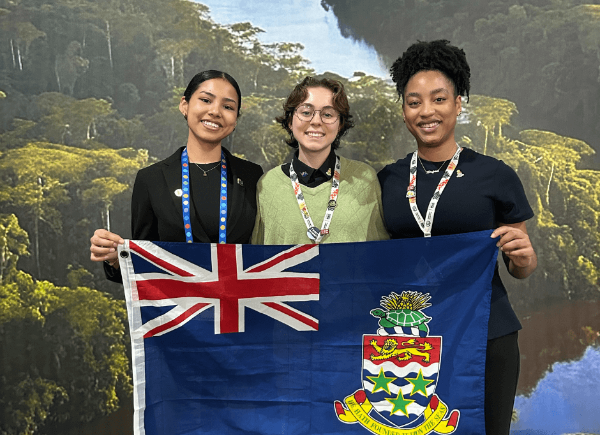
BSU community at Cop30
BSU community represents the Cayman Islands at COP30 in Brazil, with Wildlife Conservation student and BSU alumni attending as youth delegates and the sole representatives for their home country.
Read more about COP30
BSc (Hons)
Undergraduate degree - single honours
Our Wildlife Conservation degree will give you the opportunity to learn about the lives of wild animals and plants, and explore how you can help to overcome the challenges that they face.
You'll look at the rapidly developing field of conservation biology, including threats to biodiversity and opportunities for habitat management and creation. You'll learn about the biology and behaviour of animals, the importance of a variety of biomes, and the different flora and fauna that they support. You'll consider how we can use this understanding to aid their protection using interdisciplinary approaches.
The course is rooted in biology and will also cover the social issues related to wildlife conservation and the place of wildlife within our lives. You'll be encouraged to explore and develop brave and creative approaches to protecting the natural world including elements from the arts. Fieldwork will form an important part of your study, and you'll build experience and develop practical skills by interacting directly with nature.
See what BSU's Wildlife Conservation students have been getting up to by following @BathSpaWild on Instagram.
This programme has been accredited by the Royal Society of Biology following an independent and rigorous assessment.

Accredited degree programmes contain a solid academic foundation in biological knowledge and key skills, and prepare graduates to address the needs of employers.
The accreditation criteria require evidence that graduates from accredited programmes meet defined sets of learning outcomes, including subject knowledge, technical ability and transferable skills.
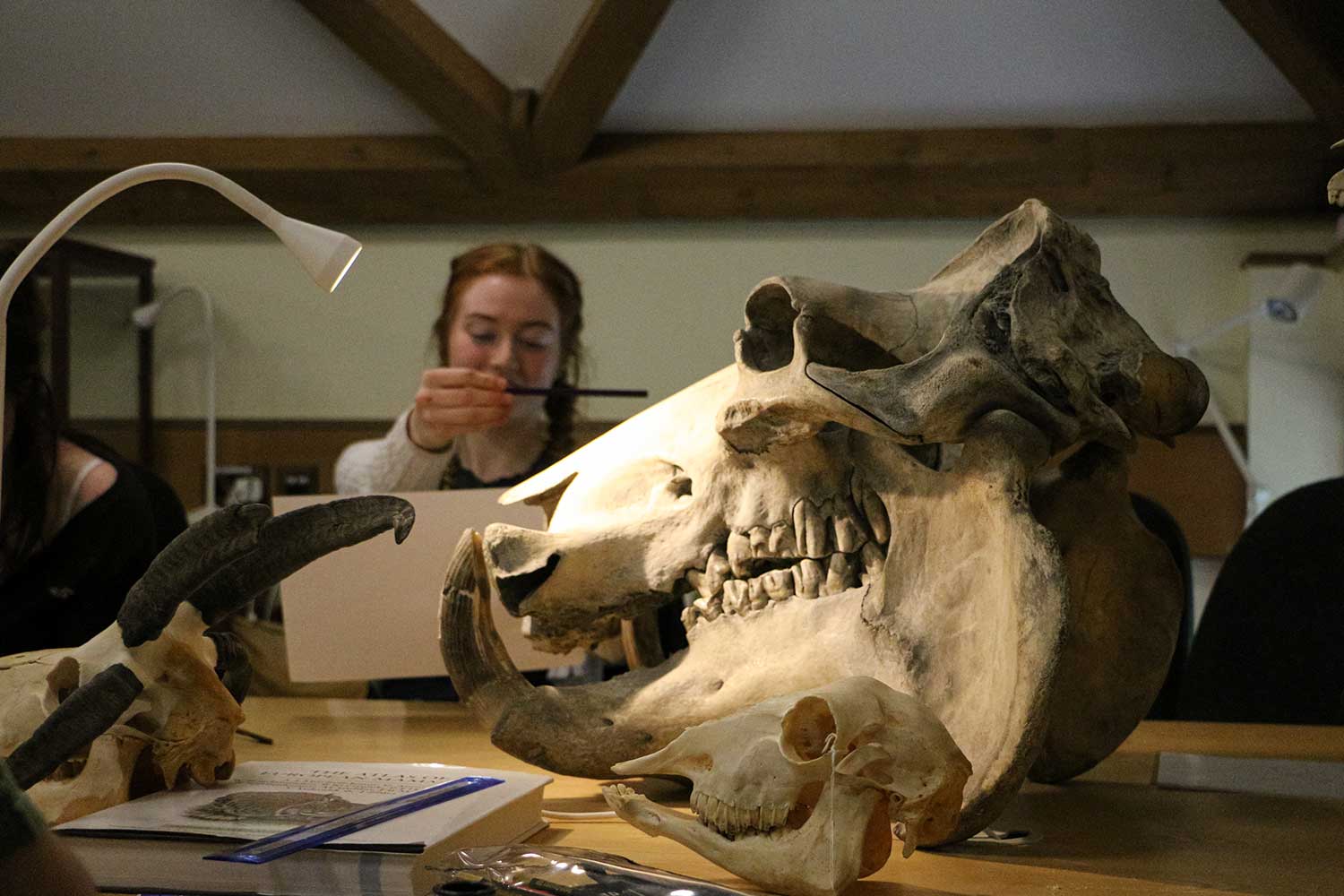
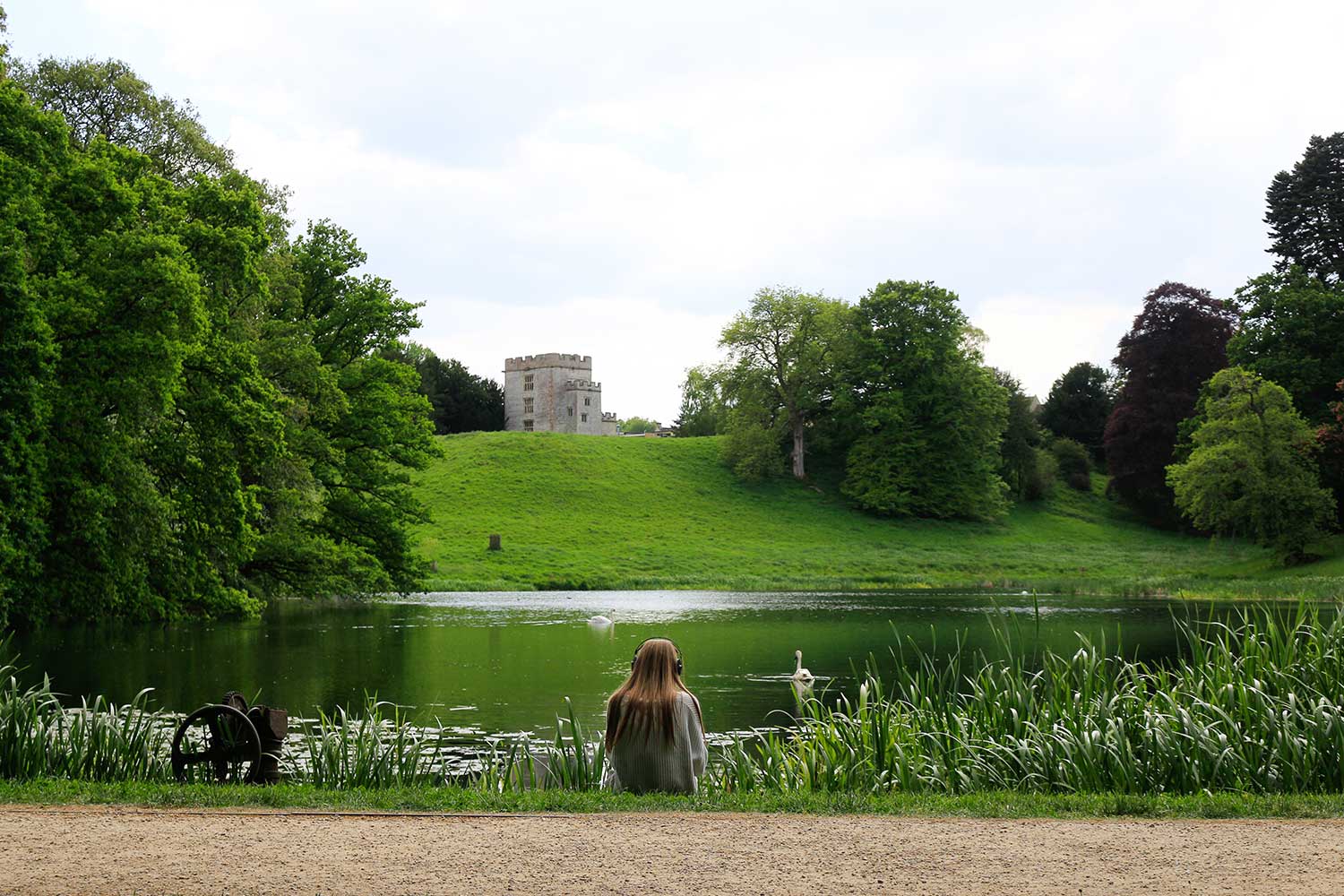
“I loved the mixture of science and creativity on a beautiful campus. The lecturers are so knowledgeable, friendly and supportive, and the whole degree fosters a really welcoming community. I was encouraged to explore my own passions while being guided every step of the way, with opportunities for fieldwork both on campus and through amazing field trips. The course helped me discover the career path I want to pursue and equipped me with the skills, confidence and real-world experience to take the next steps towards it.”
Katie Angus, BSc (Hons) Wildlife Conservation, 2025 graduate
You'll learn about the lives of animals and plants, how they function together in ecosystems across the planet, and the threats they face in the modern world.
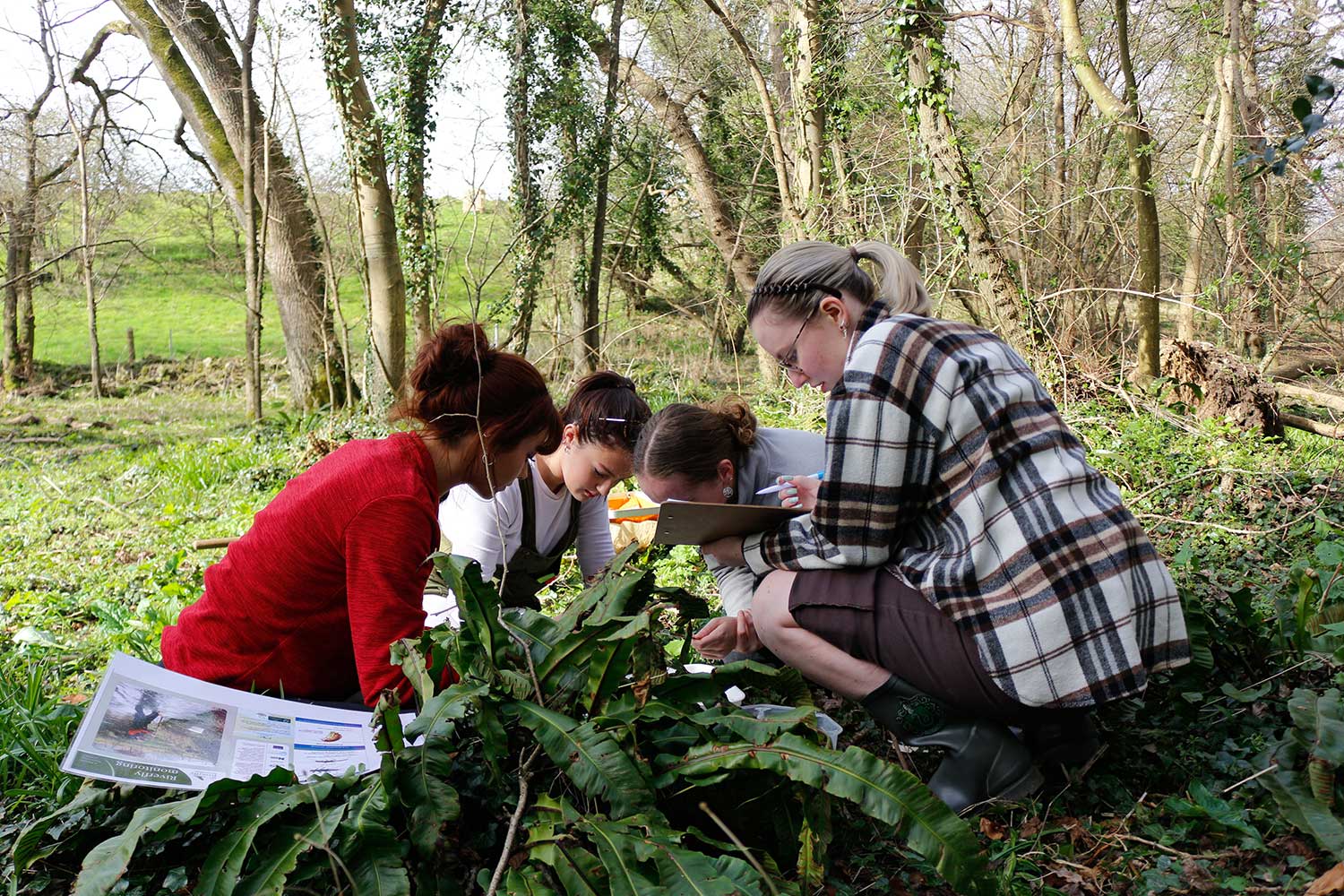
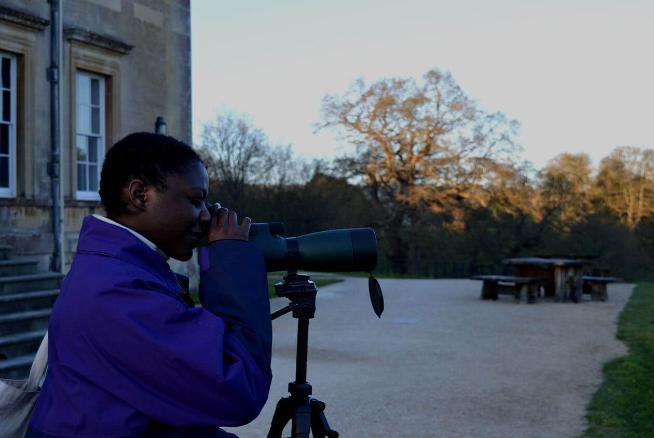
You'll learn about British wildlife in detail using the beautiful Newton Park campus as a natural laboratory, along with UK field trips. You'll also have the opportunity to contrast this with a different ecosystem on an international field trip.
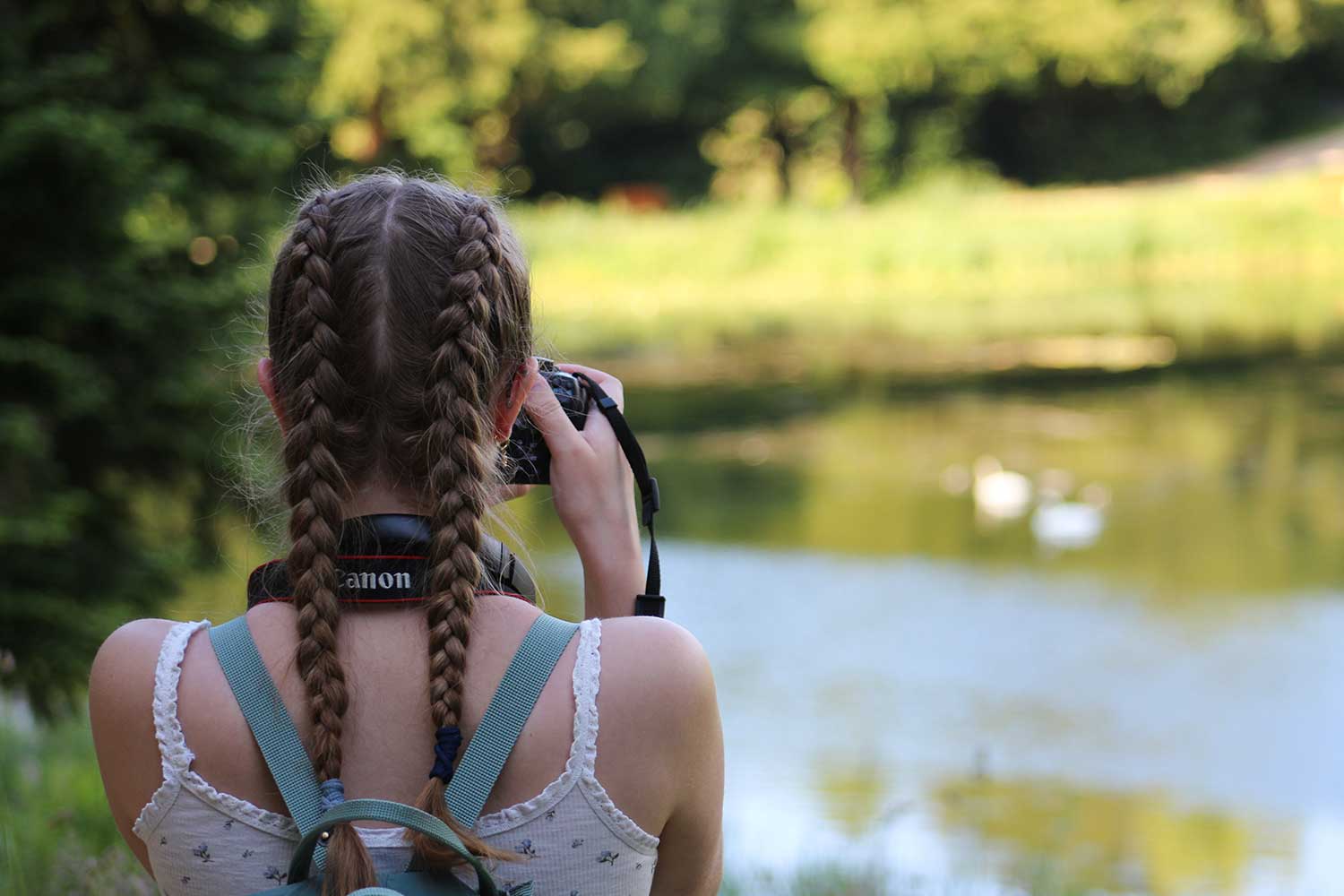
You'll learn practical skills in identification and surveying, using both established techniques and new approaches, and explore how we can use an understanding of human society to create positive change for wildlife. There will also be opportunities to develop your creative side, including activities such as artistic workshops and an optional module in wildlife photography and filmmaking.
Year one
You'll study the fundamental concepts of biology, ecology, conservation and natural history. You'll learn key scientific, analytic, practical fieldwork and communication skills that you'll use throughout your degree and beyond.
Year two
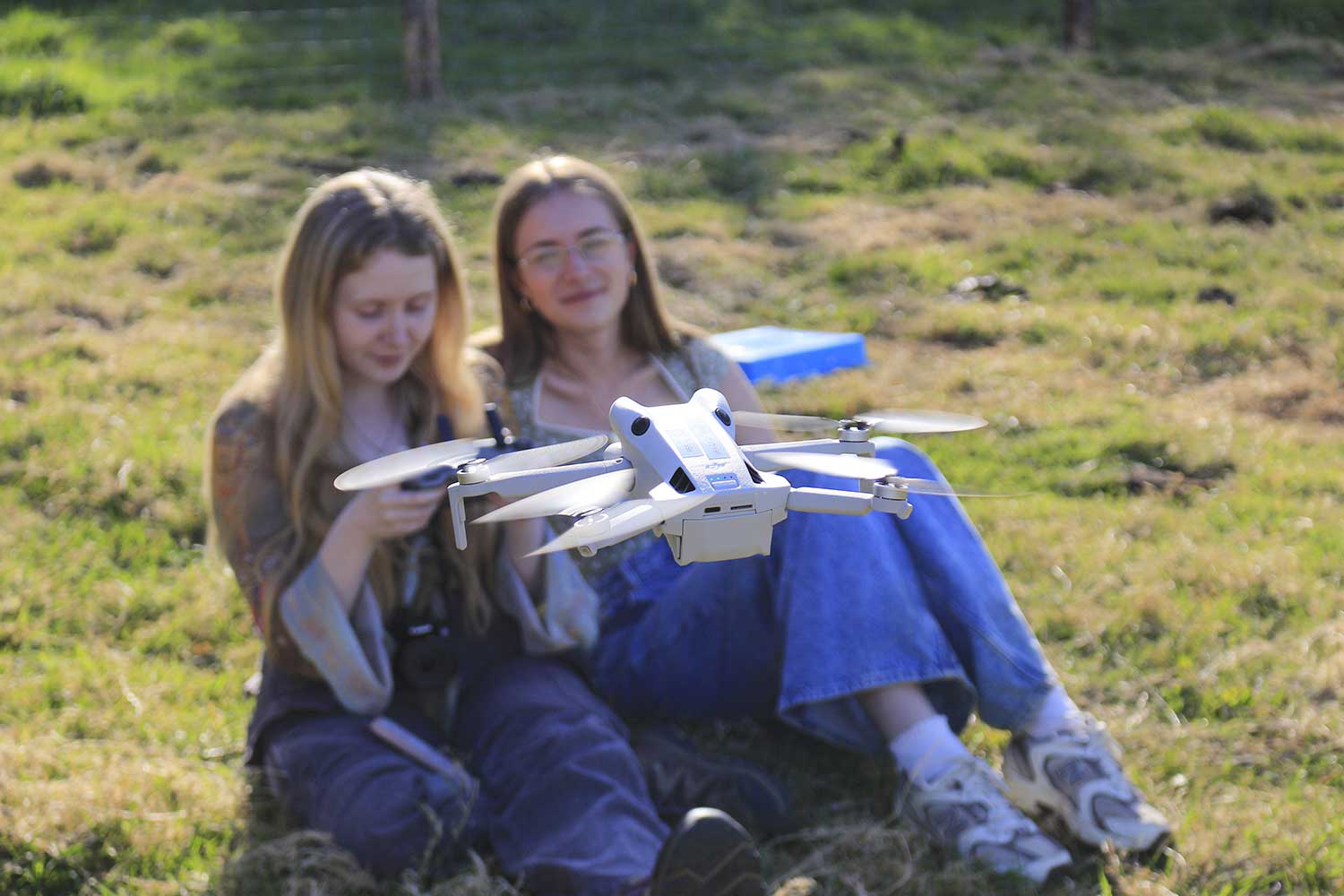
Your second year introduces more applied content, and includes key research skills, animal behaviour, ecology, environmental management, and an independent project. You'll learn practical techniques, such as Geographical Information Systems (GIS), both on campus and on a residential field course, and you will carry out small group projects. There will also be opportunities for multidisciplinary study including fields such as environmental philosophy, creative arts and geotechnologies.
Year three
In your third year, you'll learn how to put what you have learned into practice, with a focus on more specific skills needed for the workplace. The year will start with a residential field course which will bring together many of the things you have learned in the first two years. You'll conduct your own dissertation research project and explore how you can work with society to create change through a choice of optional modules. Opportunities for multidisciplinary study will continue, allowing you to take novel approaches to conservation tailored to your interests, for example marine biology and wildlife photography.
The assessments will include written coursework, practical and field work, production of digital materials, creation of artistic work, presentations and some traditional exams. Coursework will typically include practical files, laboratory/field reports, essays and technical reports, as well as reflective blogs, filmed pieces, and resource creation.
Many assessments will allow you to choose the precise focus and tailor your studies around your own particular interests.
Most modules, with the exception of some final year independent study units such as the dissertation, will have lead lectures which will introduce the key topics. These lectures will be supported by fieldwork, workshops, laboratory practical classes, seminars, and tutorials, both individual and group. You will also carry out group and individual supervised project work.
To find out more about how we teach and how you'll learn, please read our information on Your Learning and Teaching at BSU.
This course currently offers or includes the following modules. The modules you take will depend on your choice of optional or open modules.
At BSU, our courses are designed to equip our graduates with the knowledge and skills they’ll need for the real world. To do this, we are continually improving our courses by responding to feedback from students and other stakeholders. This may mean changes may be made to the curriculum. You’ll always be given notice of any such changes.
For more information on how we approach such changes at the university, please read our policies on:
As part of your degree, you could study abroad on a placement at one of Bath Spa’s partner universities.
Fieldwork will form a vital and integral part of your degree. You’ll have opportunities to participate in fieldwork across the three years of study. This will range from use of the natural environment on the campus to residential field trips in the UK and abroad. Residential field courses and optional field trips associated with particular modules may require a student financial contribution.
There is an optional work placement module in year two.
An optional Professional Placement Year (sandwich year) runs between the second and third year, allowing you to gain a year’s professional experience during your degree. Previously, our biology students have worked with organisations such as Bristol Zoo, Operation Wallacea, Natural England, Snowdonia National Park and local authorities.
Amorina Lee shared her experience of studying BSc (Hons) Wildlife Conservation with a Professional Placement Year.
A degree in wildlife conservation could lead to a range of professions including conservation advocacy, reserve management, wildlife education and environmental consultancy.
Students are eligible for a number of Bath Spa Awards and grants, in addition to prizes such as the best dissertation. There is also a possibility of applying for grants to help with funding international field trips.
If you’re a full-time undergraduate student starting your first year at Bath Spa University, you can apply for the Certificate in Global Citizenship, which you’ll study alongside your degree.
You’ll gain global awareness and add an international dimension to your student experience, and funding is available. On successful completion of the programme, you’ll be awarded a Certificate in Global Citizenship. This is in addition to your degree; it doesn’t change your degree title or results.

Develop a wealth of indispensable digital skills that you can take into your future career. One of only three Adobe Creative Campuses in the UK, we provide all Bath Spa students with access to the full Adobe Creative Suite, giving you the tools to communicate creatively, whatever your course or chosen professional field.
BSU community represents the Cayman Islands at COP30 in Brazil, with Wildlife Conservation student and BSU alumni attending as youth delegates and the sole representatives for their home country.
Read more about COP30
“Don’t settle for something you find uninteresting or boring, do something that actually excites you and work hard to get it.”
Amorina Lee, BSc (Hons) Wildlife Conservation with Professional Placement Year
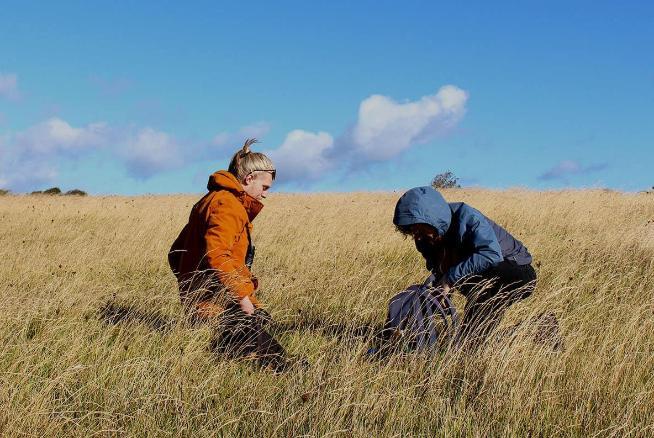

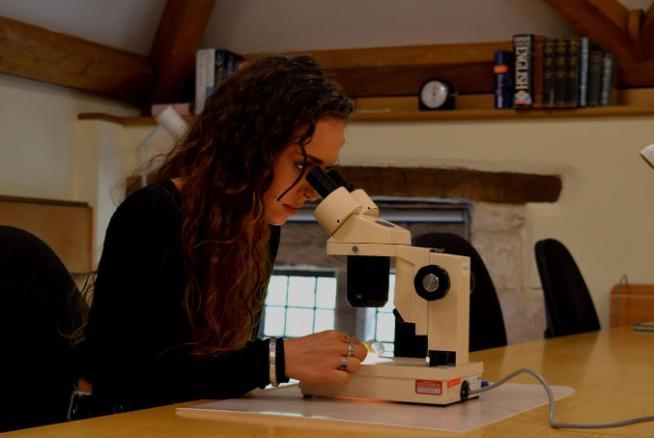
The Professional Placement Year (PPY) provides you with the opportunity to identify, apply for, and secure professional experience, normally comprising one to three placements over a minimum of nine months. Successful completion of this module will demonstrate your ability to secure and sustain graduate-level employment.
By completing the module, you'll be entitled to the addition of 'with Professional Placement Year' to your degree title.
Before your PPY, you'll work to identify roles of interest and secure a placement. The Placements Team will support through timetabled sessions and 1:1 appointments.
As well as completing a minimum of 900 placement hours, you will complete two assessments demonstrating your skill development, growth in professional behaviours and how the PPY has impacted your future career aspirations.
The course is based at Newton Park Campus with field locations in the UK and abroad. We will also make use of the university’s other campuses such as the newly refurbished Locksbook Campus, home of the School of Art, Film and Media and Bath School of Design.
You'll have access to our:
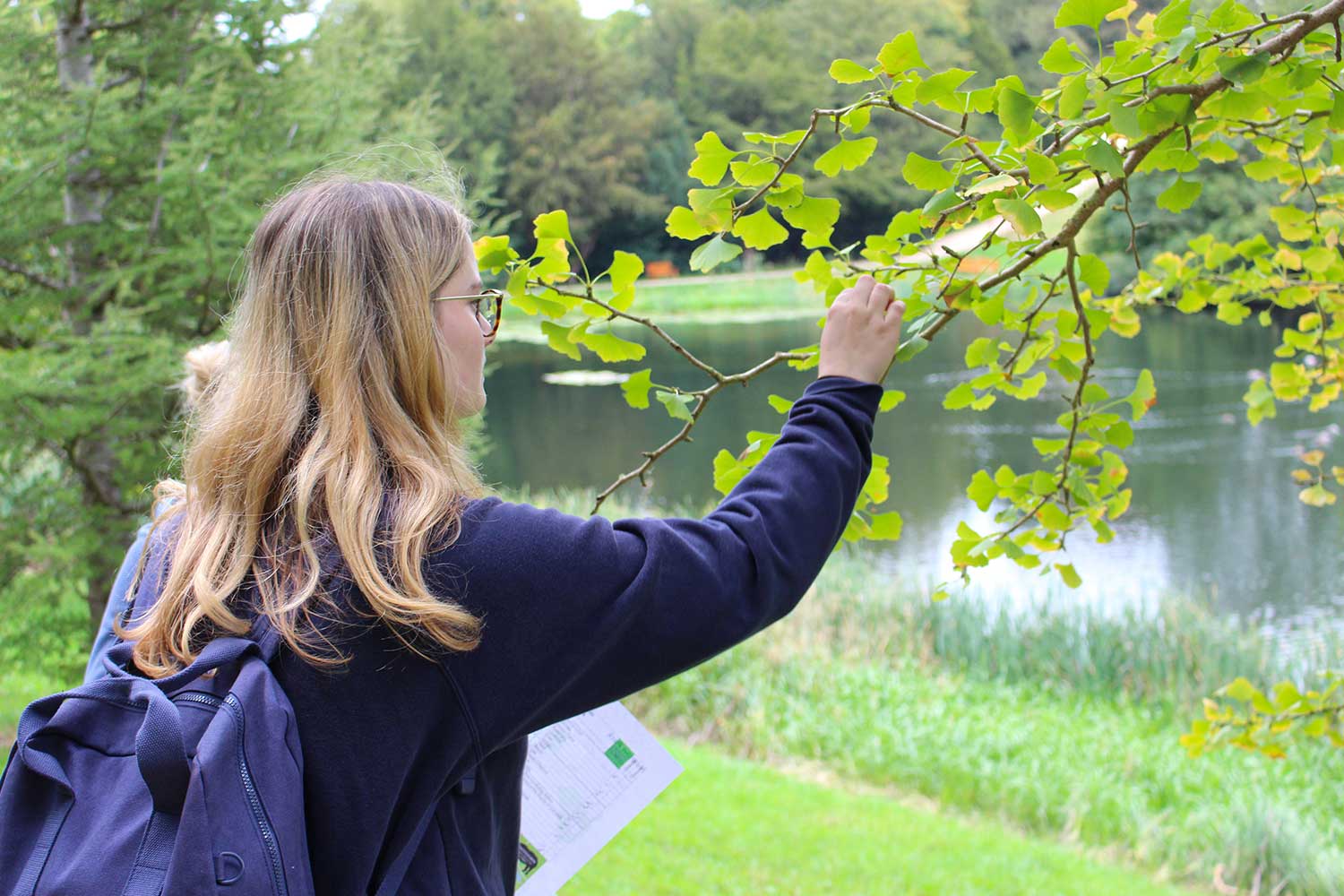
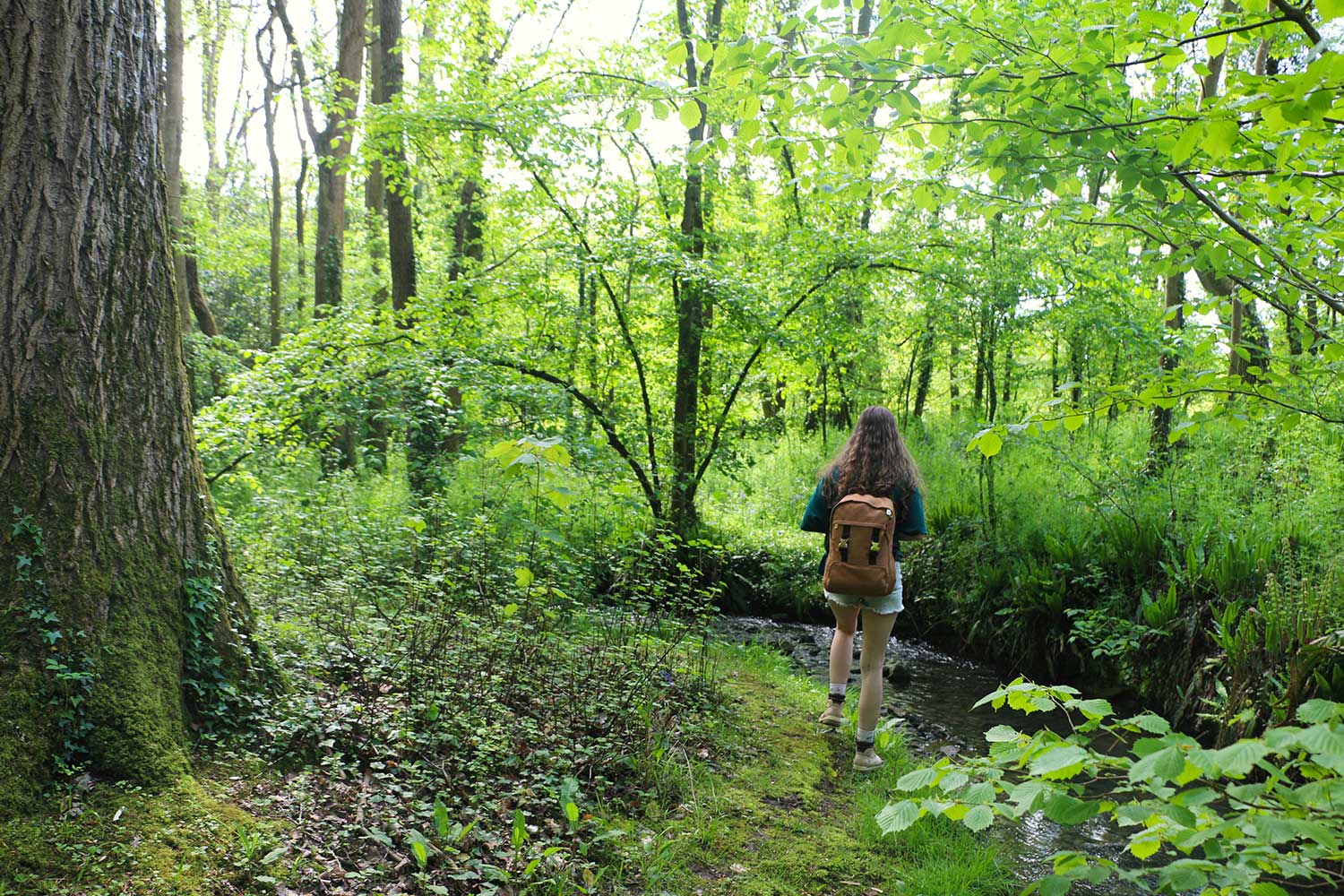
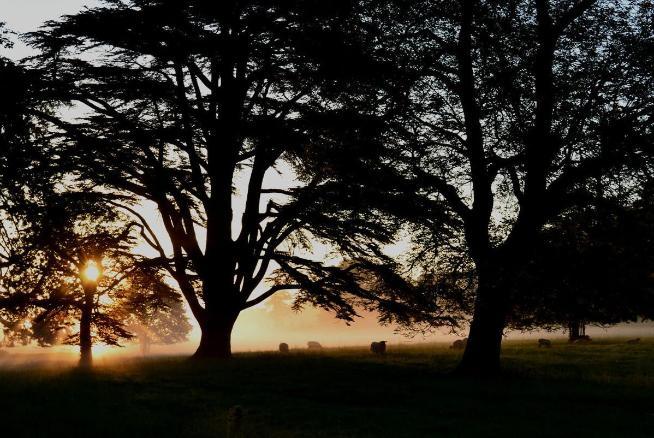
The campus acts as a natural laboratory, offering woodland, grassland and gardens as well as a lake.
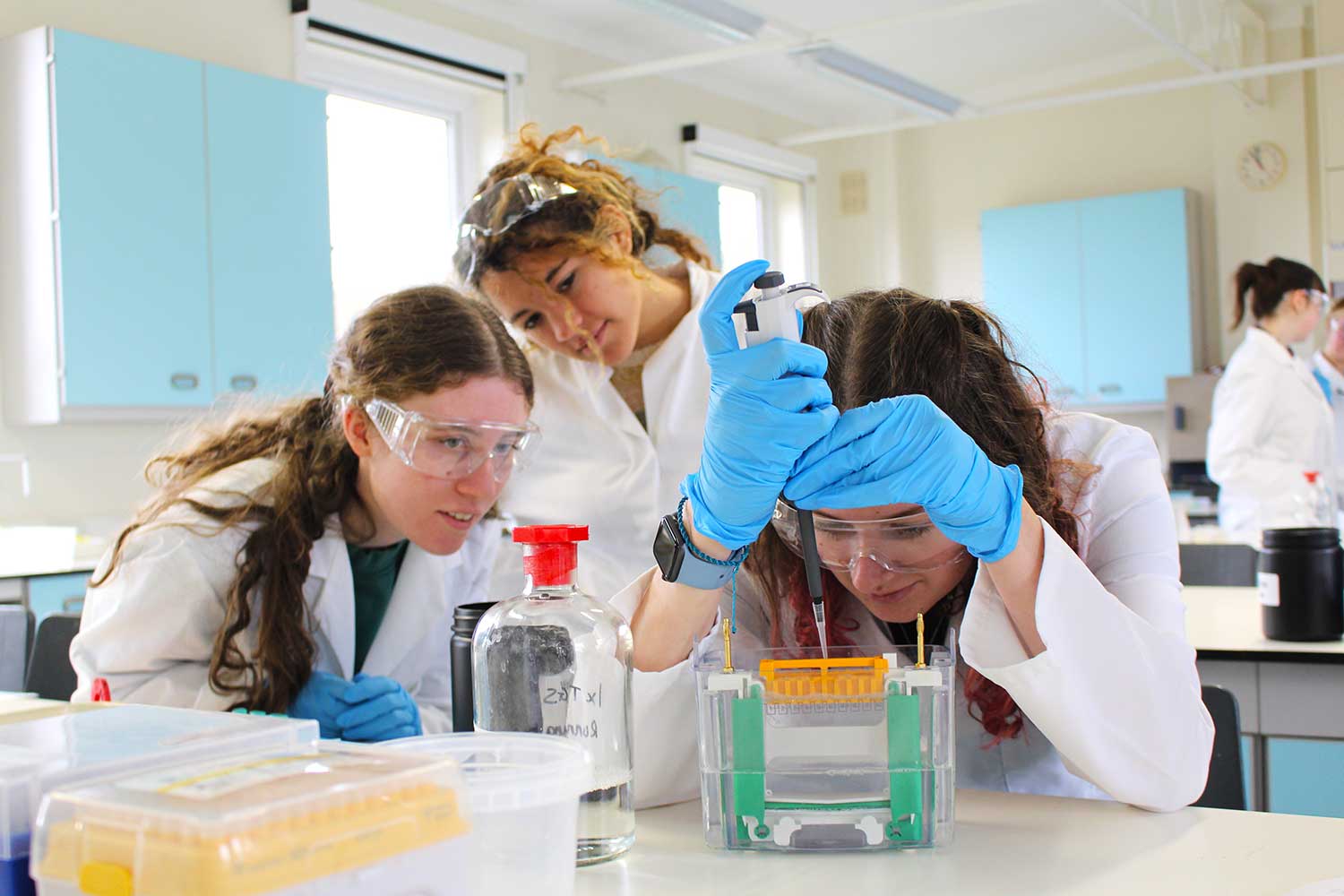
There are recently refurbished teaching laboratories and project/research laboratories, with appropriate analytical equipment and physiological data collection systems. High-tech Instrumentation includes HPLC, mass spectrometry, PCR, DNA and protein electrophoresis, and GIS, all of which can be used for student projects.
Interdisciplinary work may take place in other specialist areas, such as publishing studios or arts workshops, within the University’s campuses.
| Student | Annual tuition fee |
|---|---|
| UK full time | £9,790 |
| UK part time | £4,895 |
| International full time | £18,585 |
During the placement year, the fee is reduced to 20% of the full time fee. This applies to UK and EU/International students.
Our fees for international students are organised into bands. For more information, please consult the tables on the international student fees webpage.
You may need to pay additional course costs over and above your tuition fees, for example, for specialist equipment or trips and visits. Please check the course Programme Document (linked under the main image on this page) for details of any additional costs. You can also read our Additional Course Costs Policy for further information.
Please visit our Funding pages for an overview of the funding options that may be available, including scholarships and bursaries.
We are looking for potential students with:
Applicants should be driven to put theory into practice in the field, and be willing to pursue their own research and creative outputs on topics of interest.
We accept a wide range of qualifications for entry to our undergraduate programmes. The main ones are listed below:
If you don’t meet the entry requirements above, we may be able to accept your prior learning or experience from outside of formal education. See our Accreditation of Prior Learning (APL) page to learn more.
English Language Requirements for International and EU Applicants
IELTS 6.0 - for visa nationals, with a minimum score of IELTS 5.5 in each element.
Course enquiries
For further information about the programme or entry requirements, please email us at admissions@bathspa.ac.uk.
Ready to apply? Click the 'apply now' button in the centre of this page.
Need more guidance? Head to our how to apply webpages.
If you have not studied A-level (or equivalent) Biology then a general biology textbook would be a very useful preparation. There are also a number of popular science texts and free online talks and courses that will provide useful background.
A few examples of relevant popular science/conservation books:
Please contact us if you would like more information.
Course leader: Dr Ralph Thompson
Email: r.thompson@bathspa.ac.uk
We accept a wide range of qualifications for entry to our undergraduate programmes. The main ones are listed under 'Typical offers' in the main column below. For combined courses, please check both subjects. If your qualification is not listed, please email admissions@bathspa.ac.uk with your specific details.